Karstadt Re-Parked
Form follows availability
Reparked explores how existing structures can become the foundation for new architecture. Rather than starting from scratch, the project takes what is already present on site – materials, structures, and constraints – as its primary design driver. The result is a transformation where materials are not discarded, but recirculated and ‘reparked’ into new spatial and architectural configurations.
Location
Berlin, Germany
Area
20 179 m2
Typology
Office
Hospitality
Retail
Collaborators
Ensømble
Year
2022 –
Status
On hold
Client
Signa Real Estate
Services
Architectural consulting
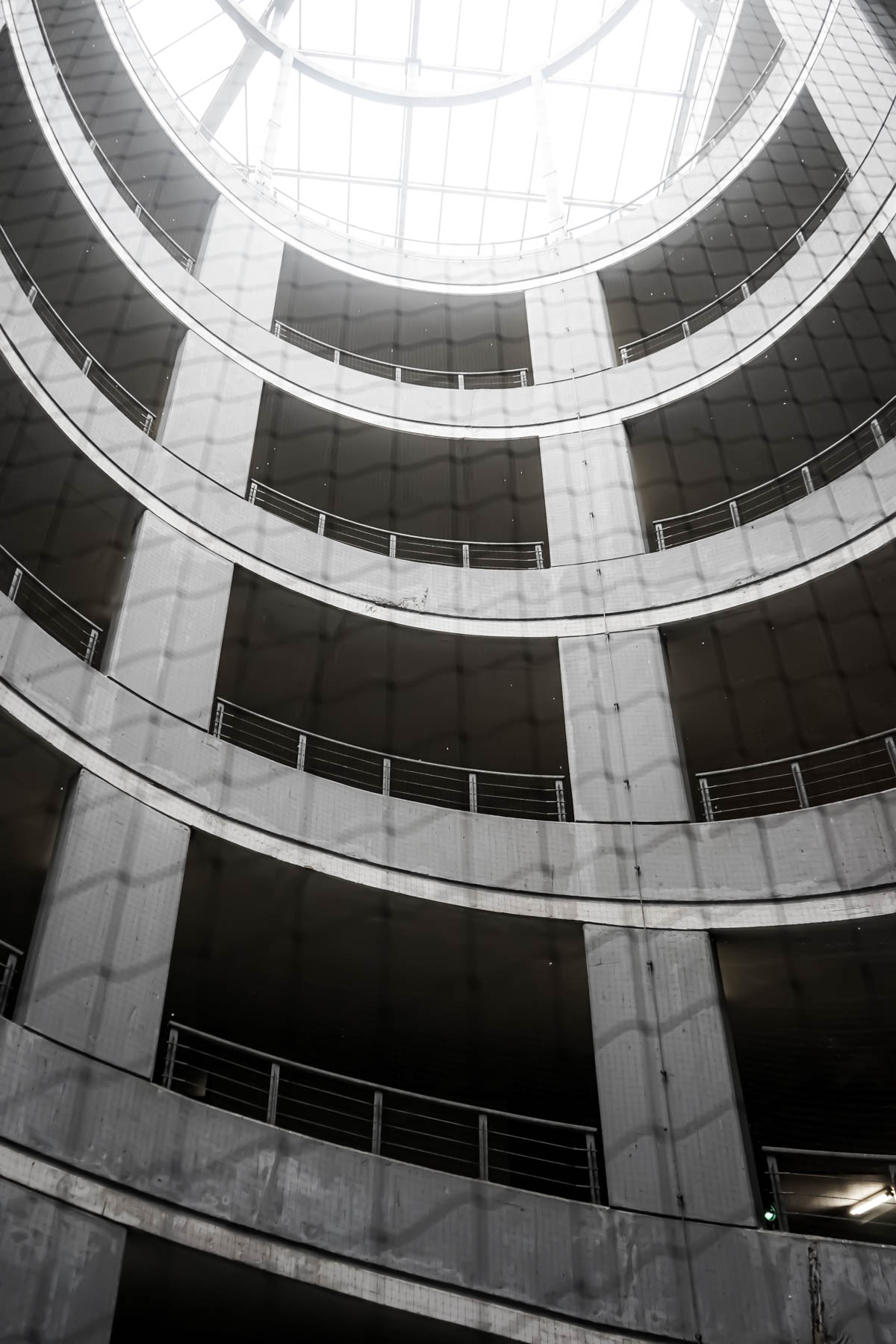
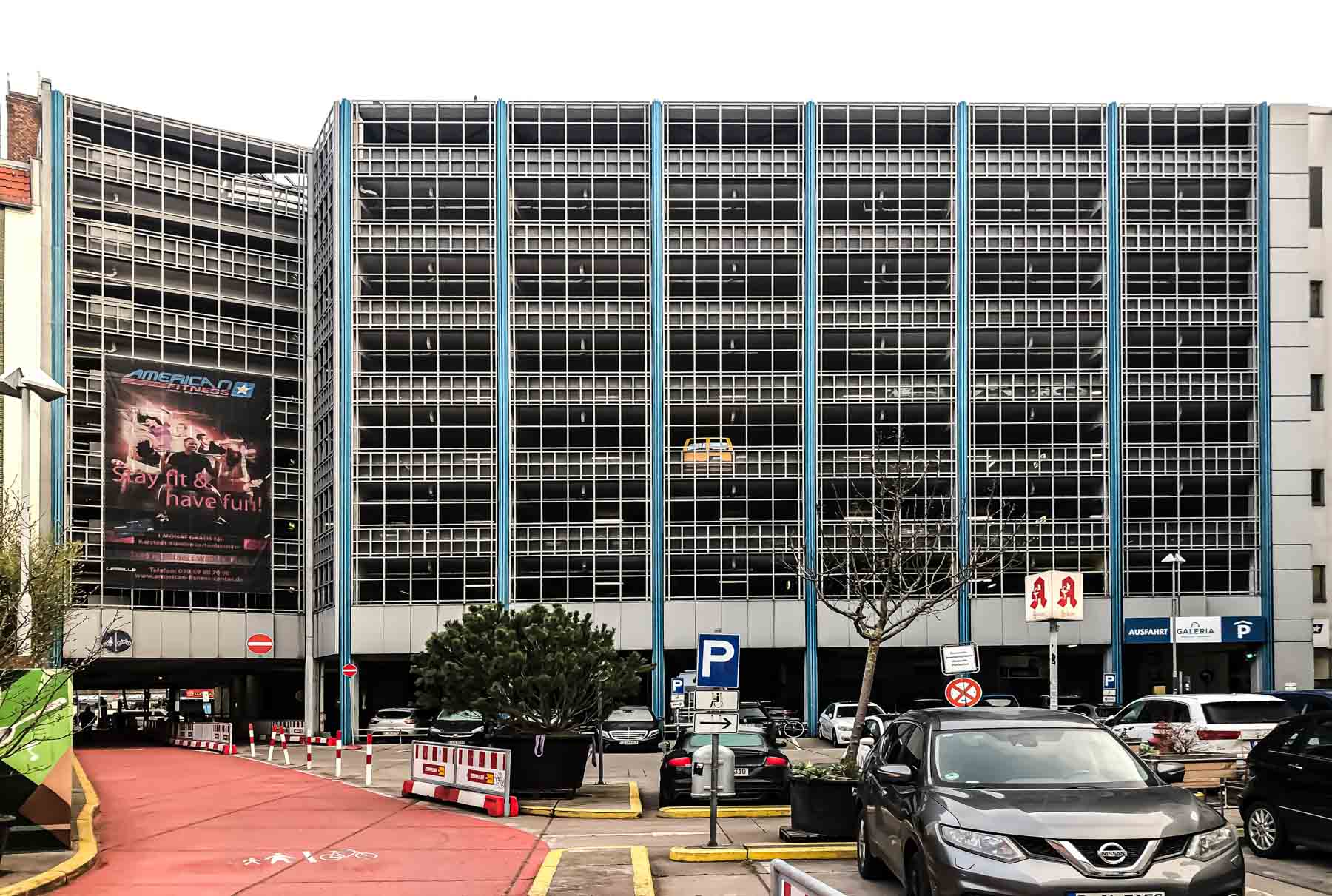
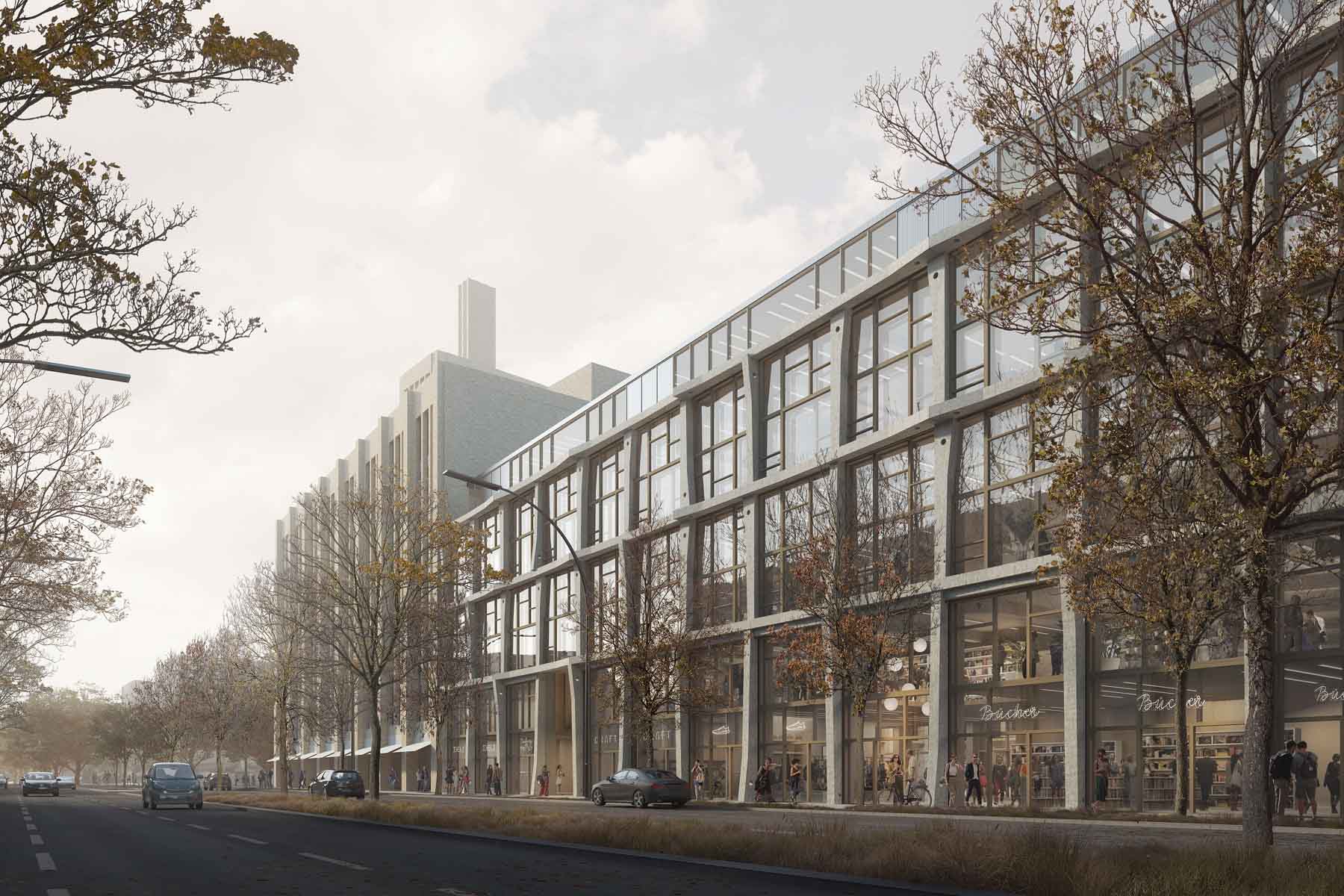
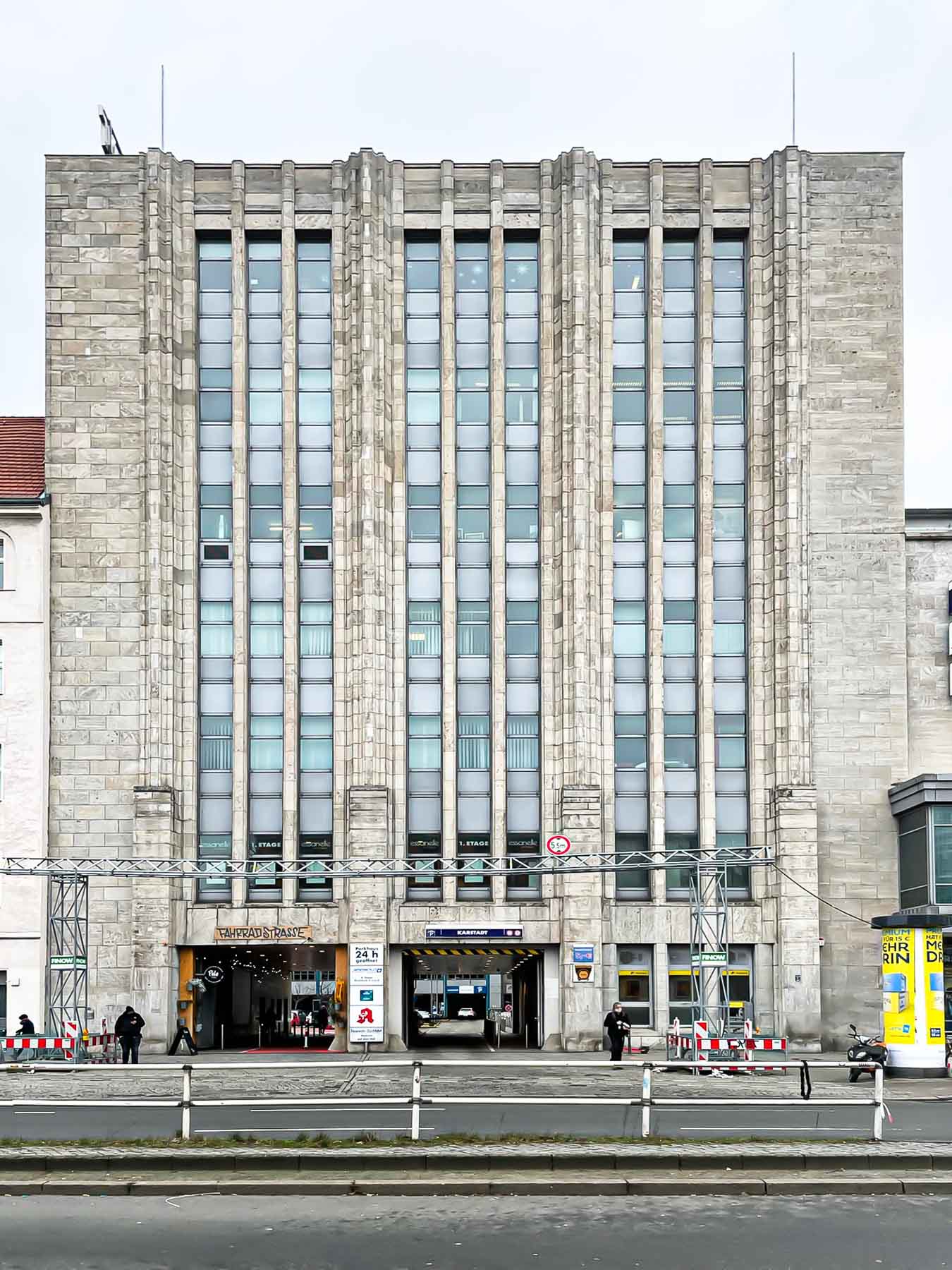
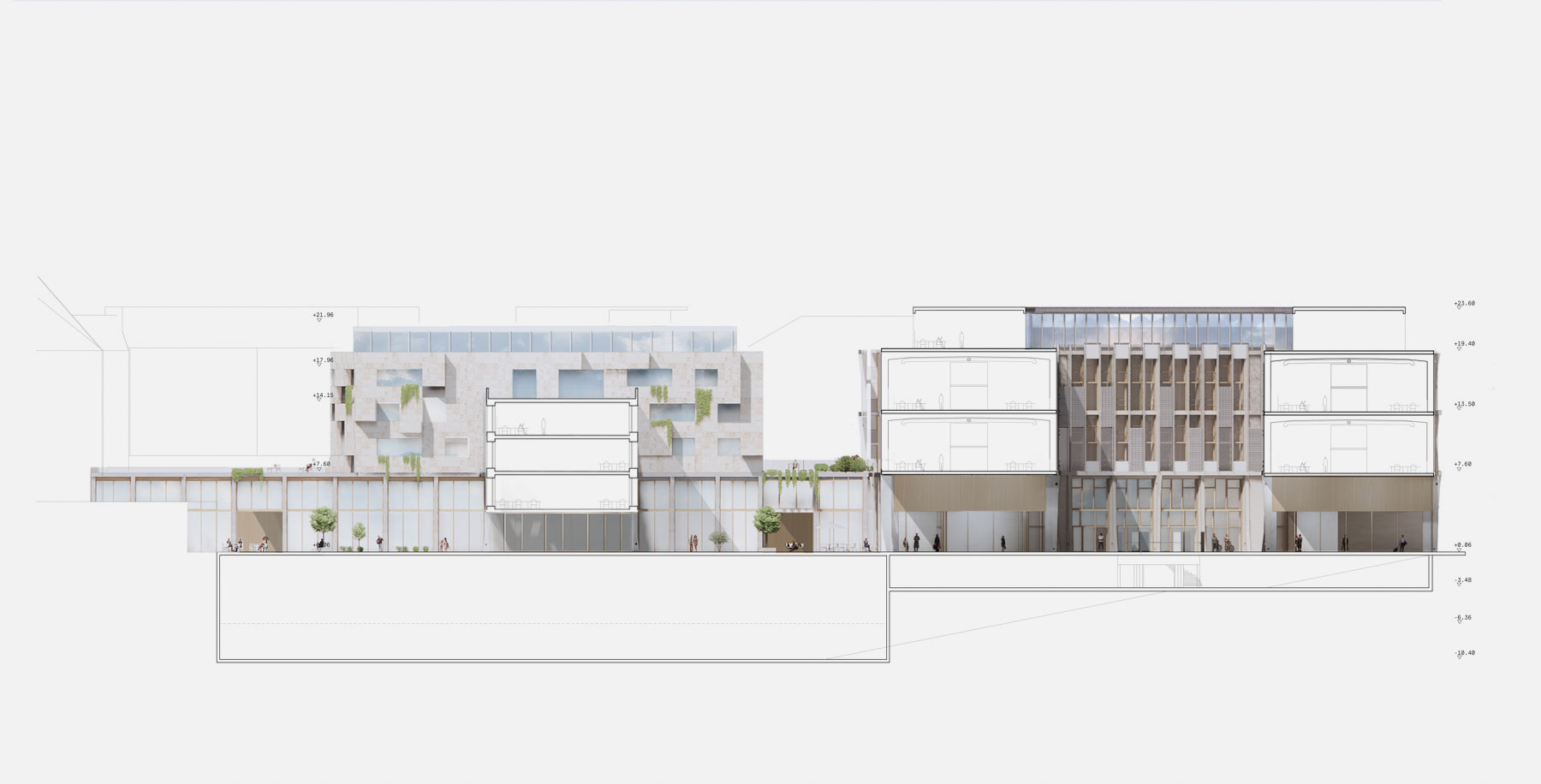
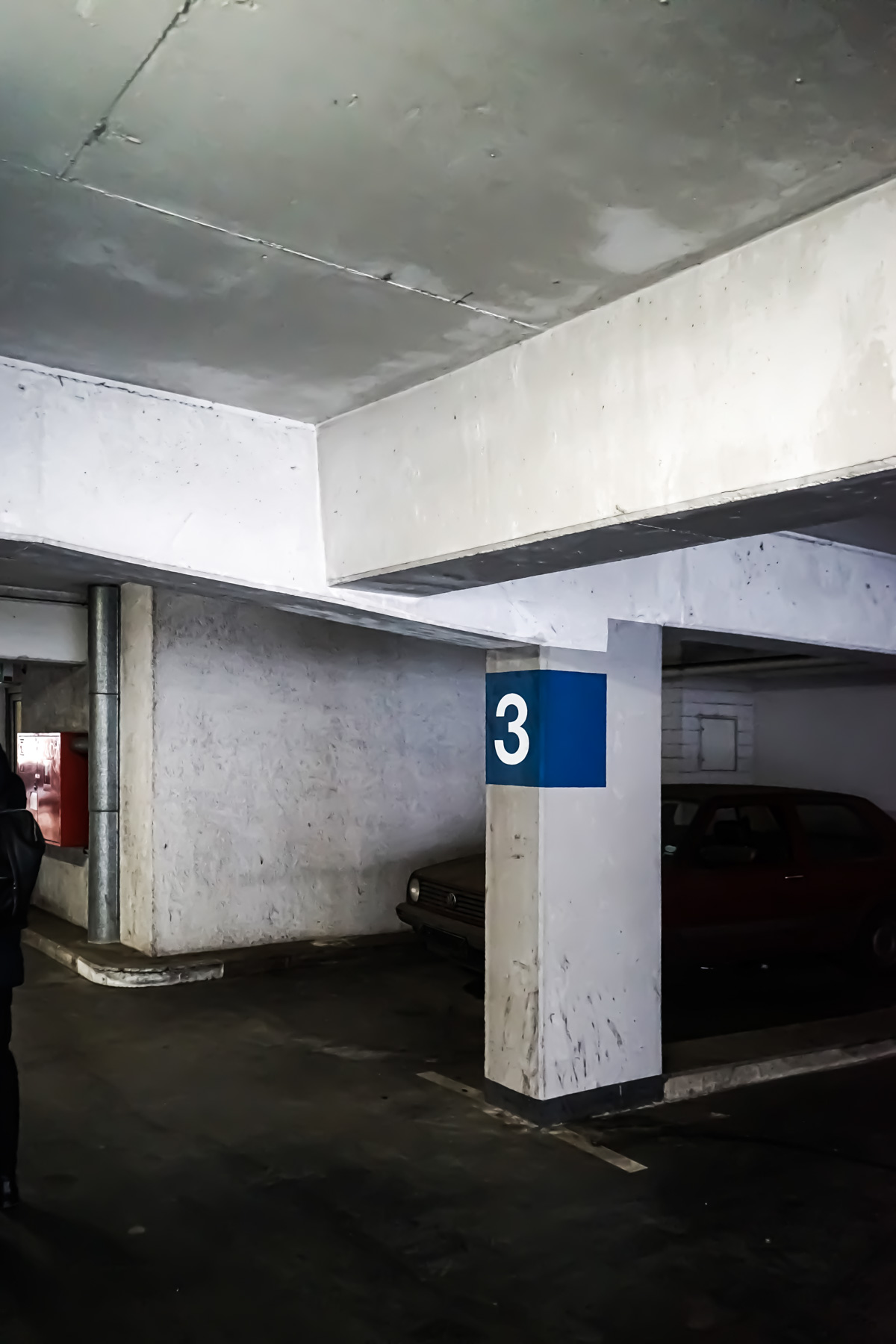
The project centres on the partial deconstruction of an existing multi-storey car park. Concrete slabs, beams, and structural elements are carefully removed, cut, and directly reused. Combined with a new timber structure, these elements form a hybrid building system in which reused materials define both structure and façade. This approach preserves embodied resources while establishing a clear architectural expression rooted in availability and constraint.
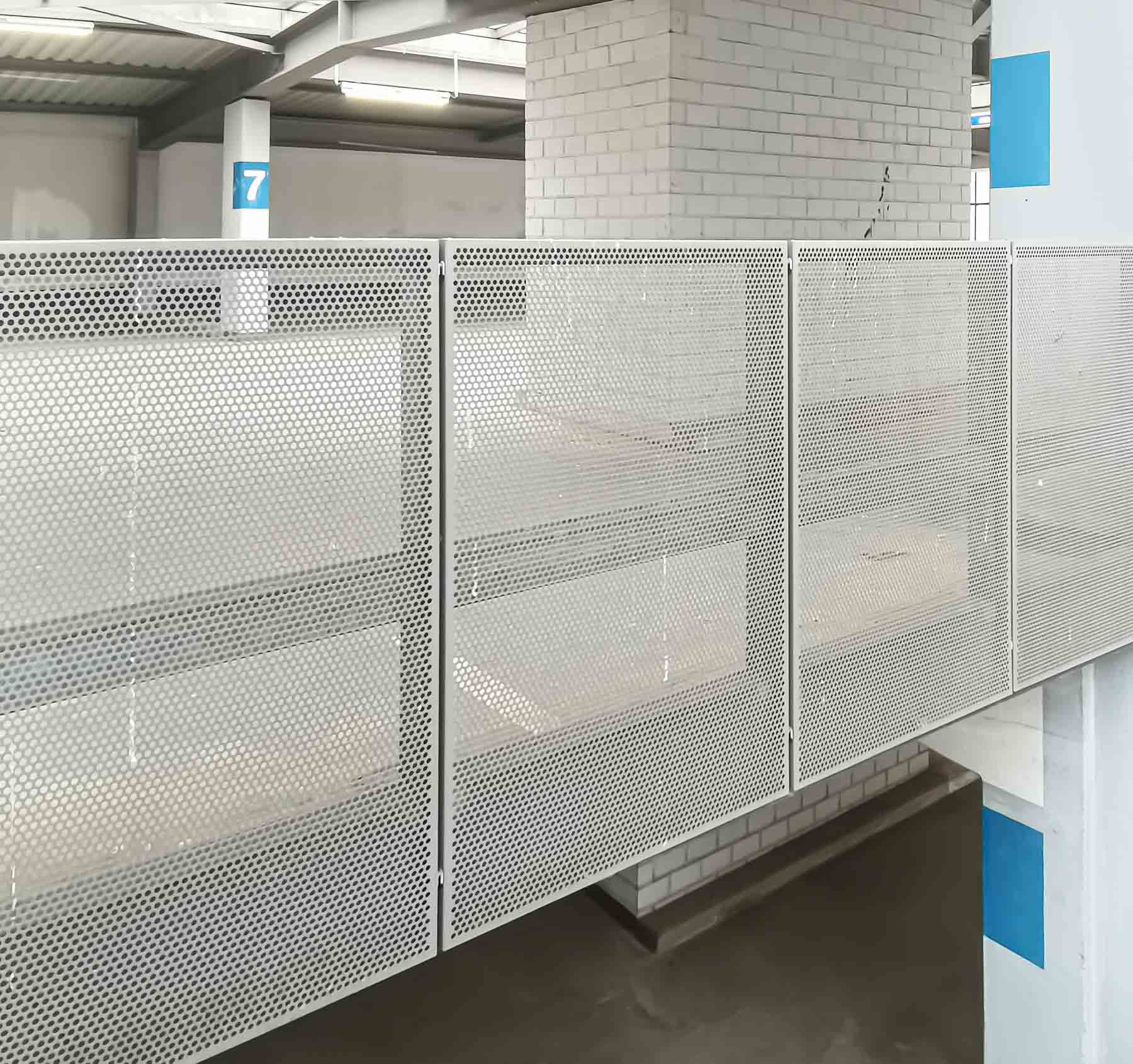
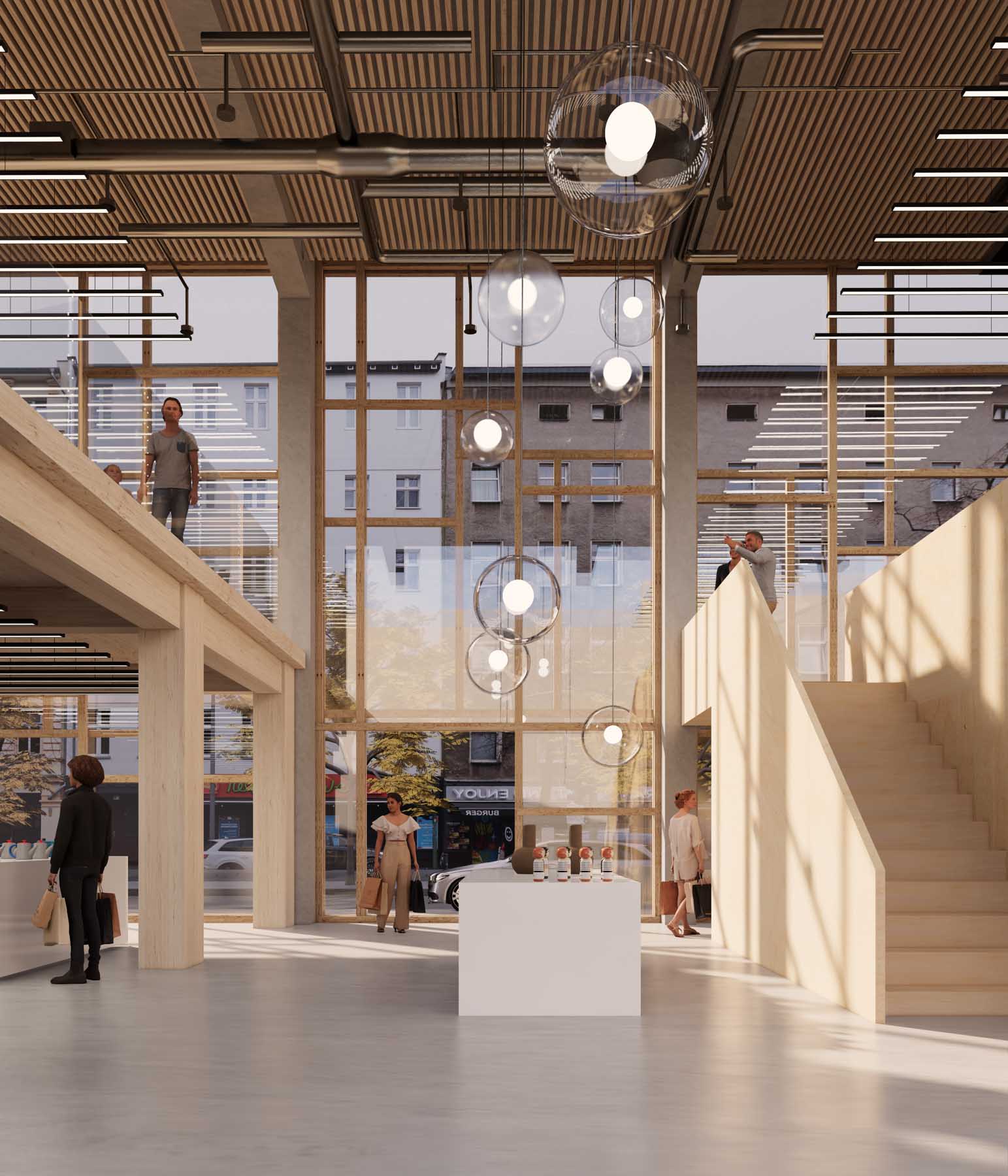
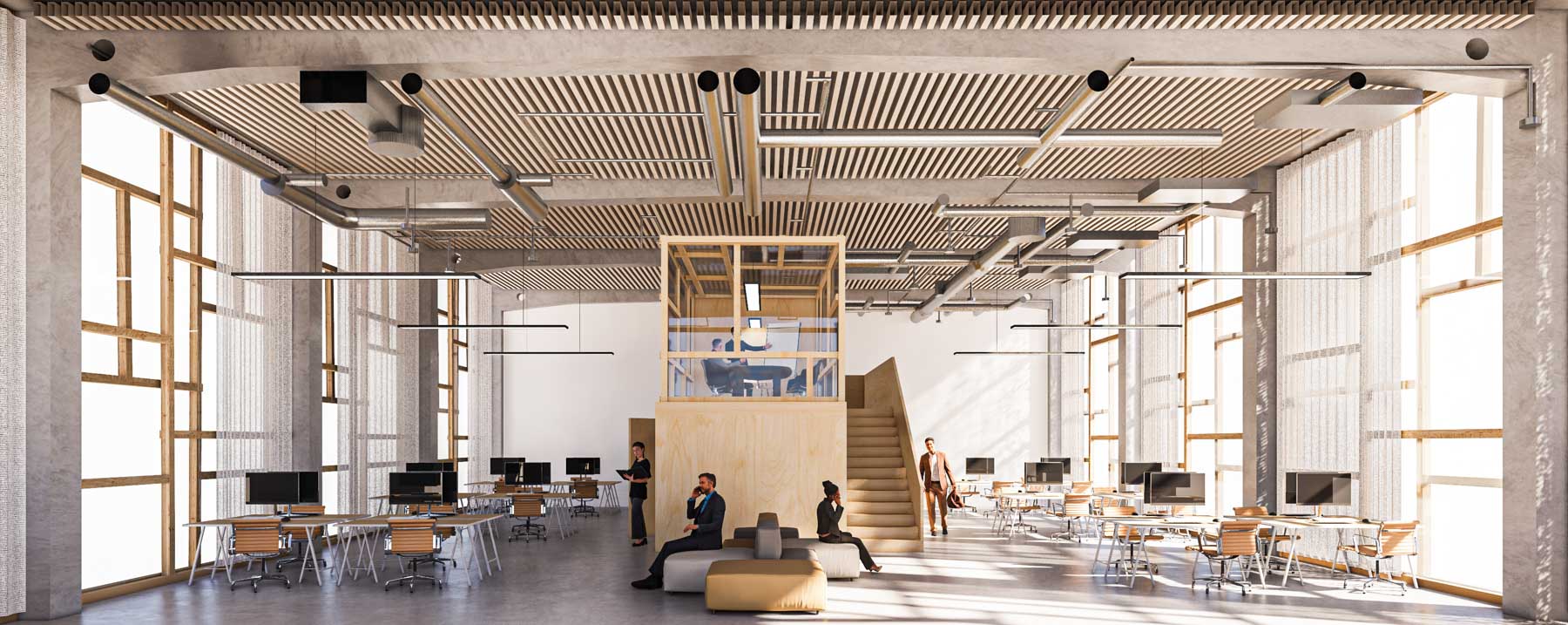
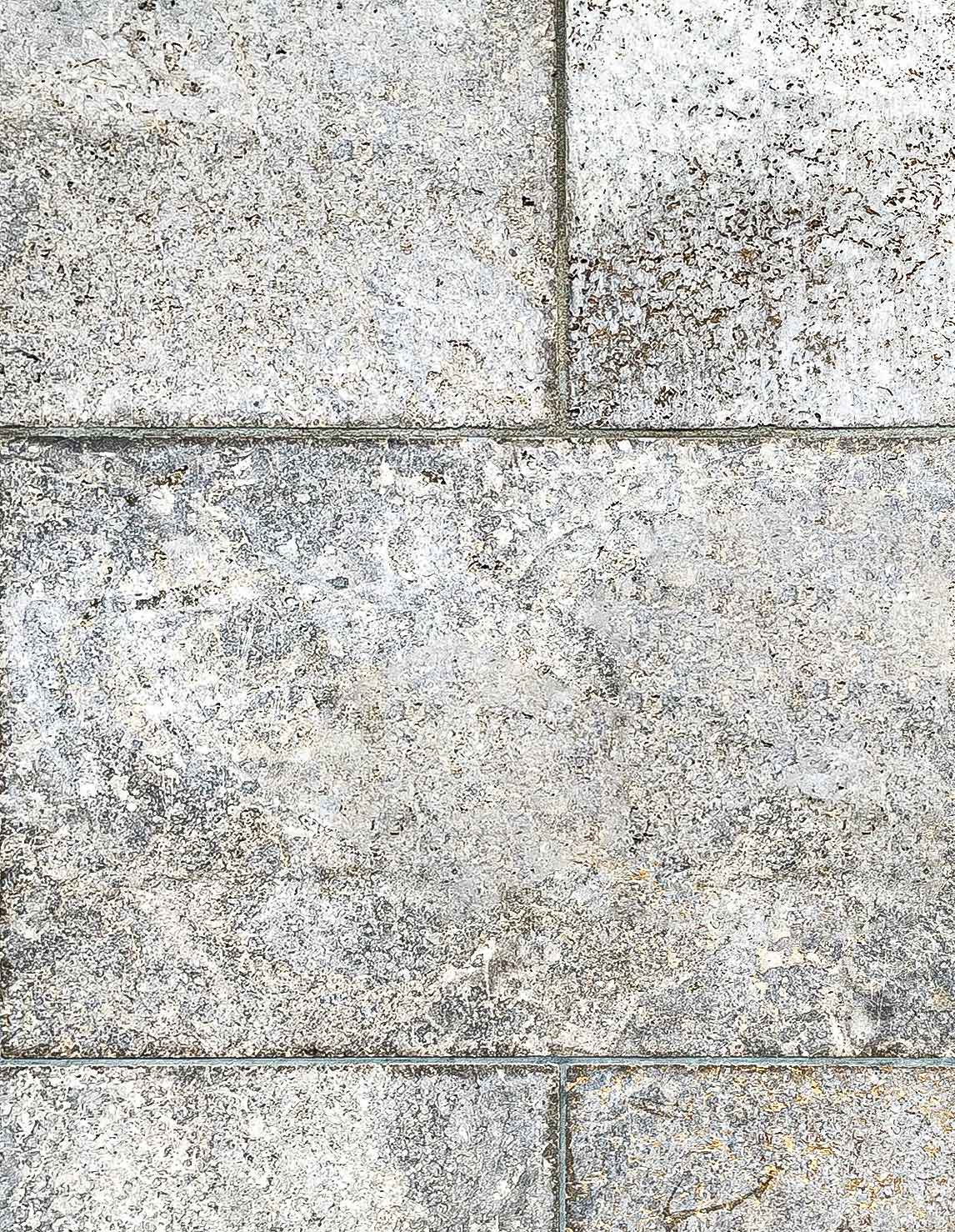
In parallel, a broader palette of materials from the adjacent Karstadt transformation is reintegrated, including stone, steel, windows, and tiles. Through this on-site material loop, the project demonstrates how reuse can move beyond isolated elements and instead operate as a coherent, building-scale strategy grounded in LCA-informed decision-making.
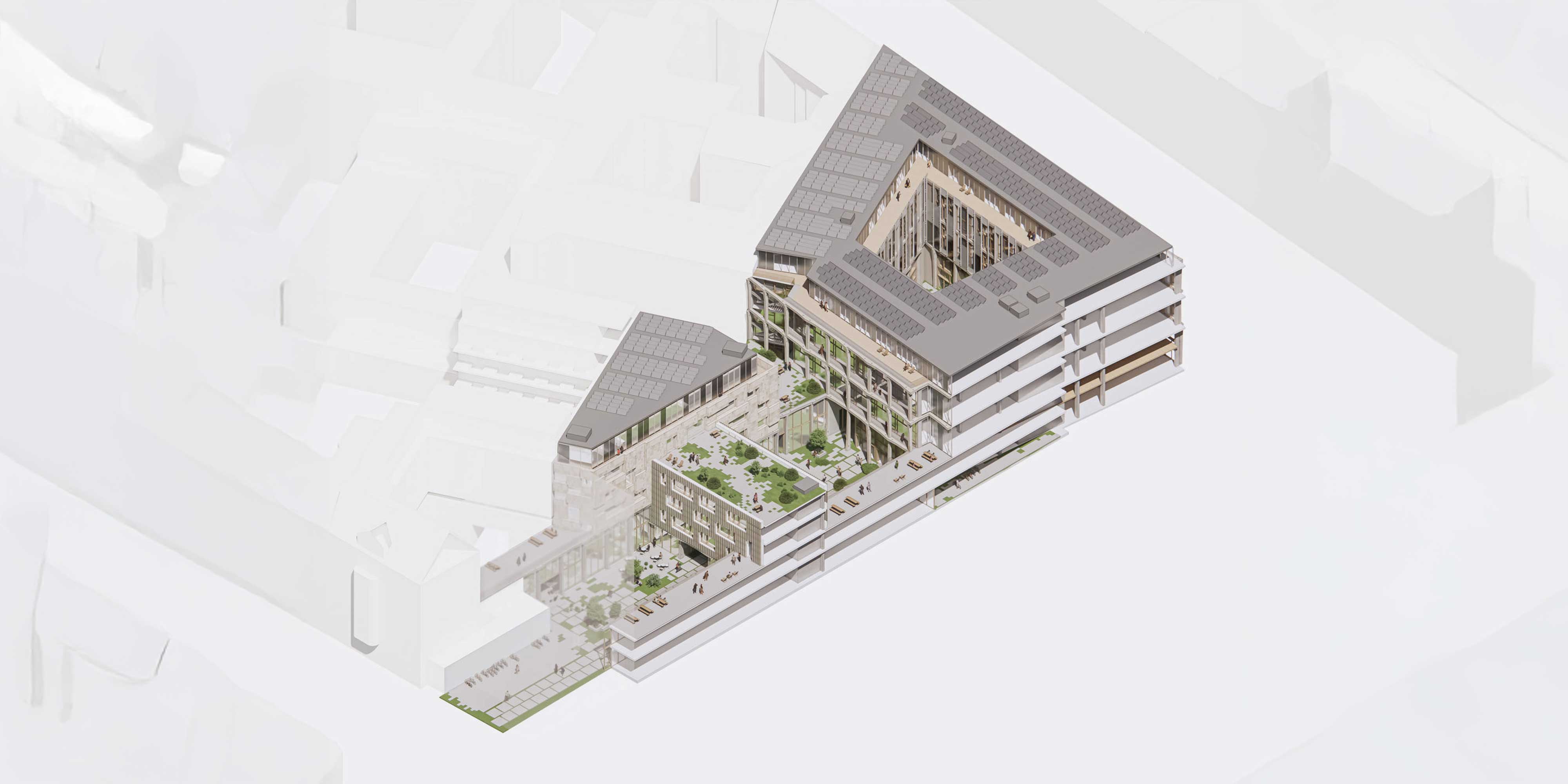
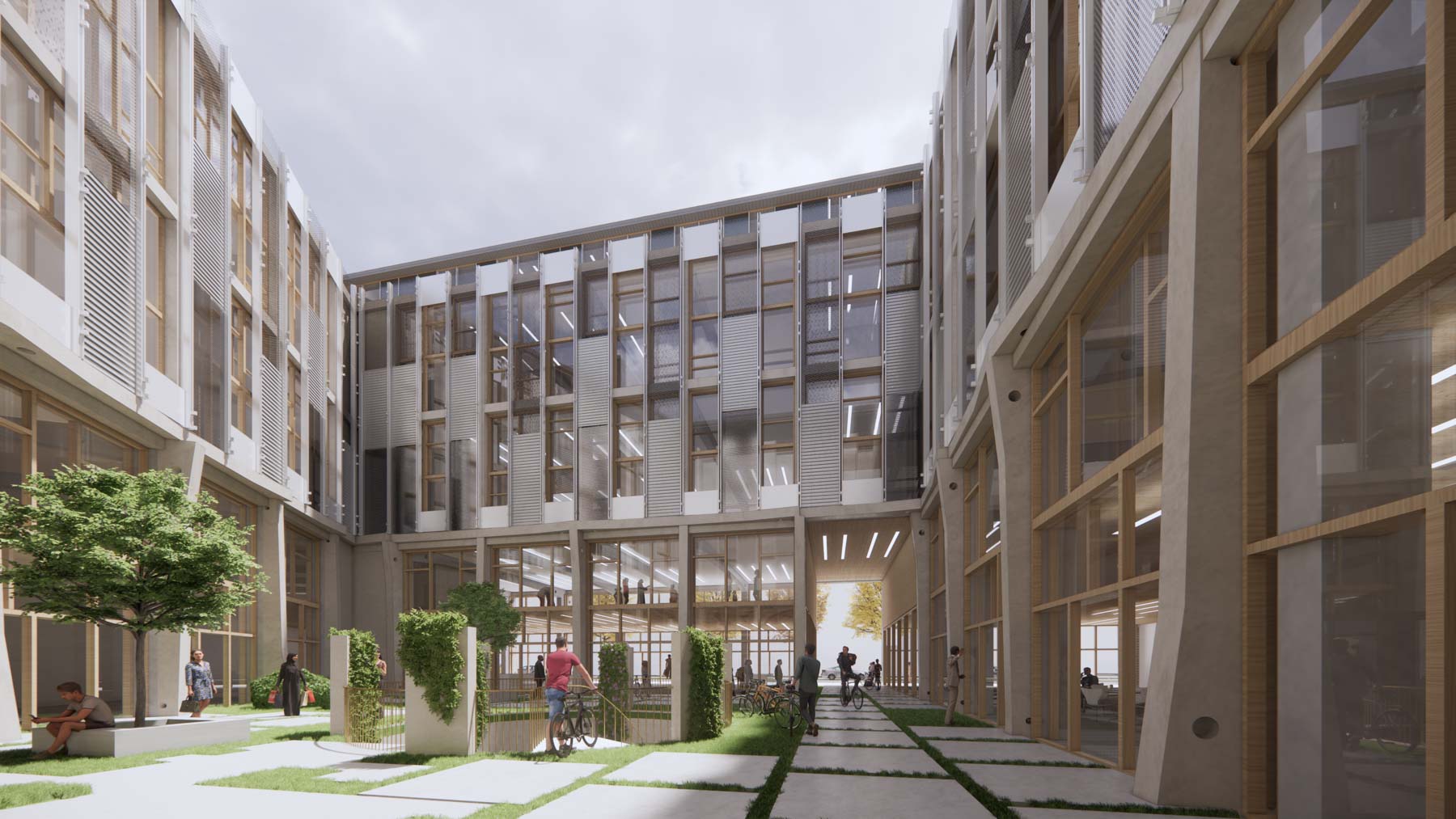
Inside, new spaces for retail, offices, and public life emerge from the existing structure. High ceilings, visible traces of former use, and subtle irregularities create a spatial character that could not be designed from a blank slate. The building opens towards the city through a sequence of courtyards and passages, inviting movement and interaction while making the process and potential of reuse tangible for its users.

Reparked thus positions reuse not only as a technical solution, but as a generative design principle. By working with what is already there, the project creates both economic and cultural value, and acts as a built demonstration of how architecture can transition towards a more resource-conscious future.