Living Lab
Exploring future materials
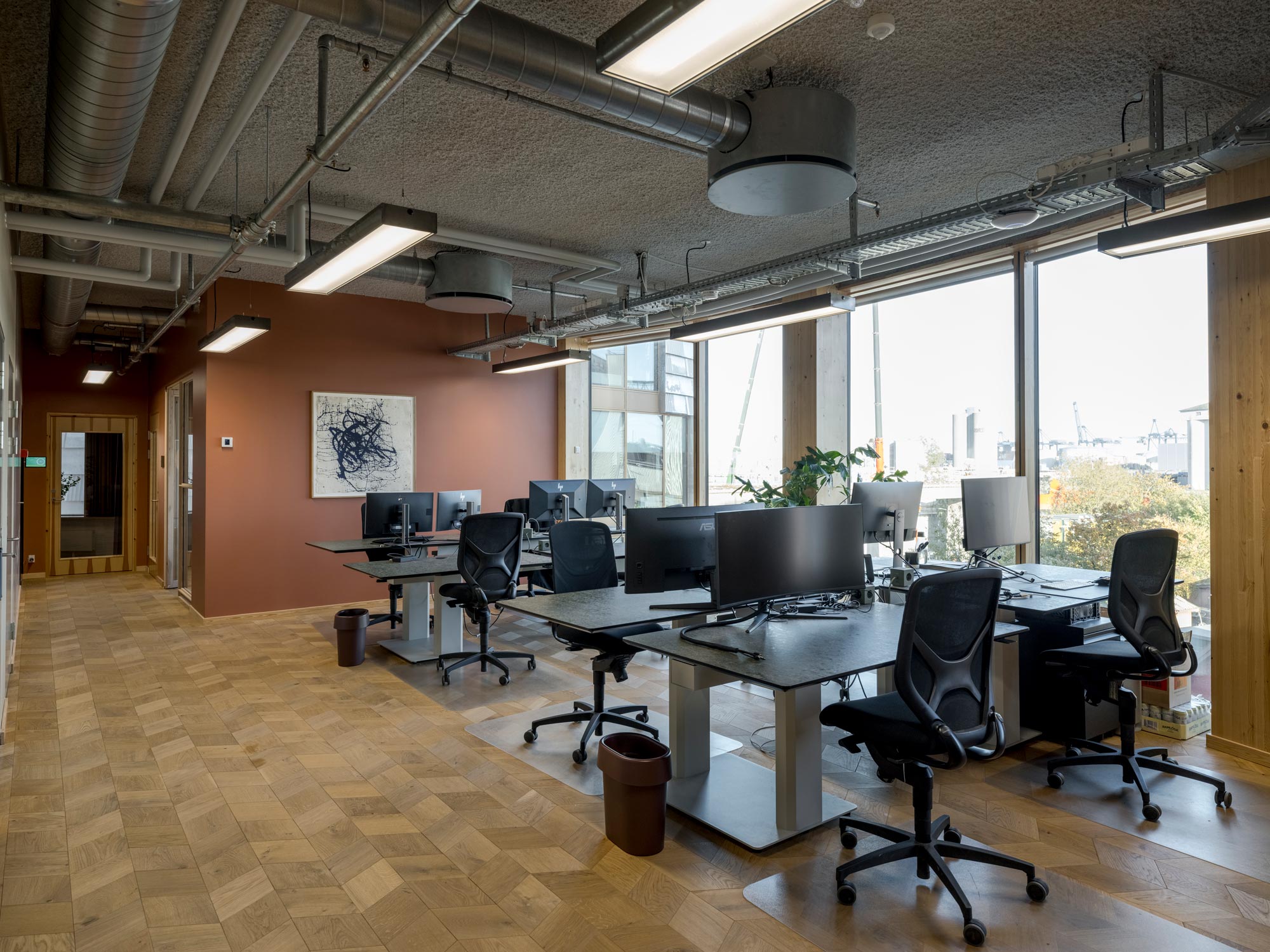
In the construction industry, bio-based, upcycled, and reused materials often face significant challenges when being integrated into modern construction. To promote the use of these materials and simultaneously create a forum for the market’s most innovative material manufacturers and suppliers, a ‘Living Lab’ has been created.
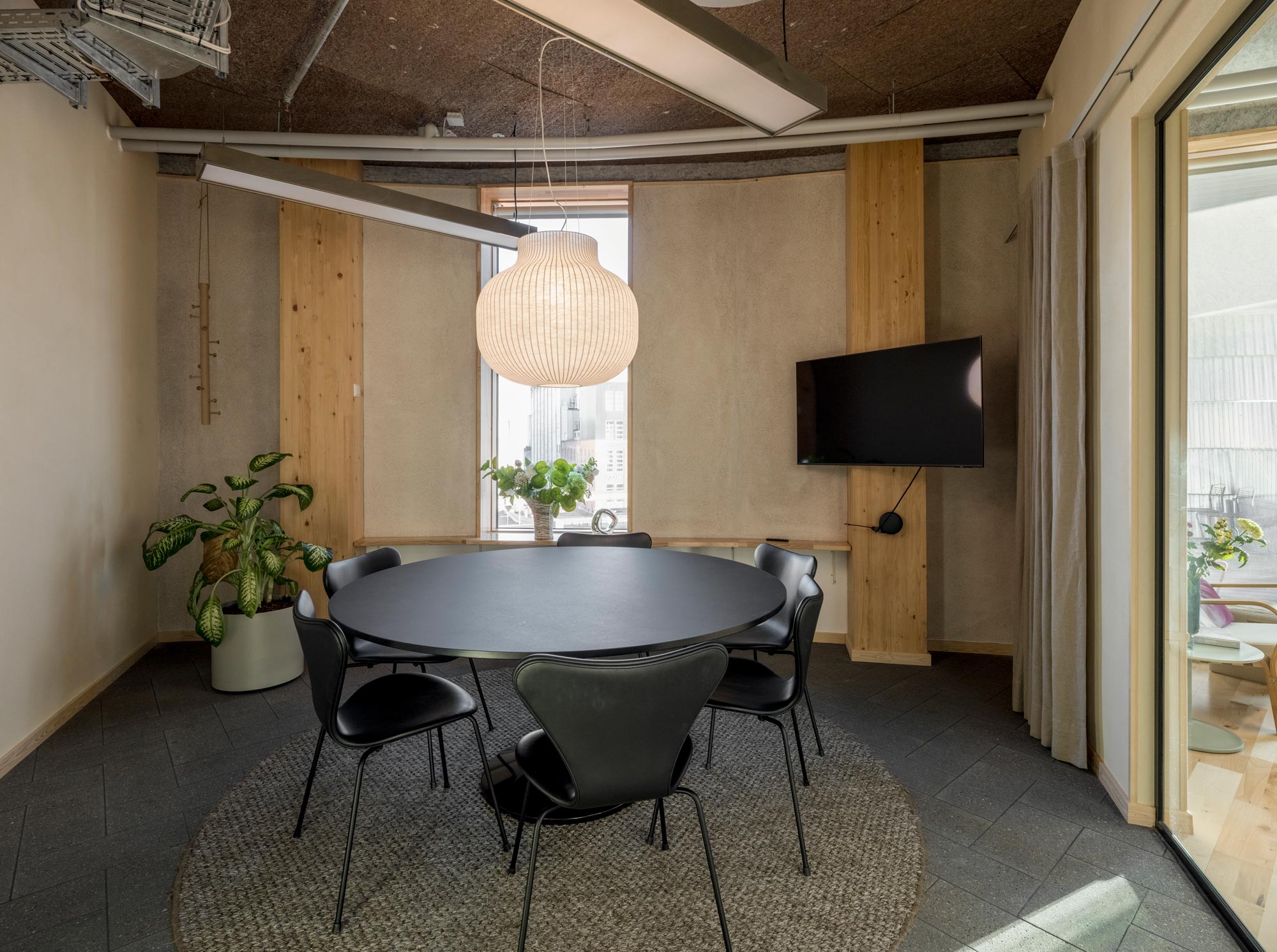
The three floors in TRÆ constitute a laboratory for testing and evaluating various material solutions. The implemented materials have proven that they can make the cut by meeting conventional requirements and being incorporated into a full-scale, commercial high-rise office building. The purpose is not only to support the market entry of these materials but also to investigate how they affect the perceived working environment.
The ambition has been to push the boundaries of what is possible within circular construction, while simultaneously exploring how aesthetics, functionality, and sustainability can go hand in hand.
Location
Aarhus, Denmark
Area
850 m2
Typology
Office
Collaborators
Aarhus Kommune
Artelia
Alexandra Instituttet
Kaj Ove Madsen A/S
Realdania
Year
2022 – 2025
Status
Completed
Client
Kilden & Hindby
PFA Ejendomme
Photos by
Rasmus Hjortshøj
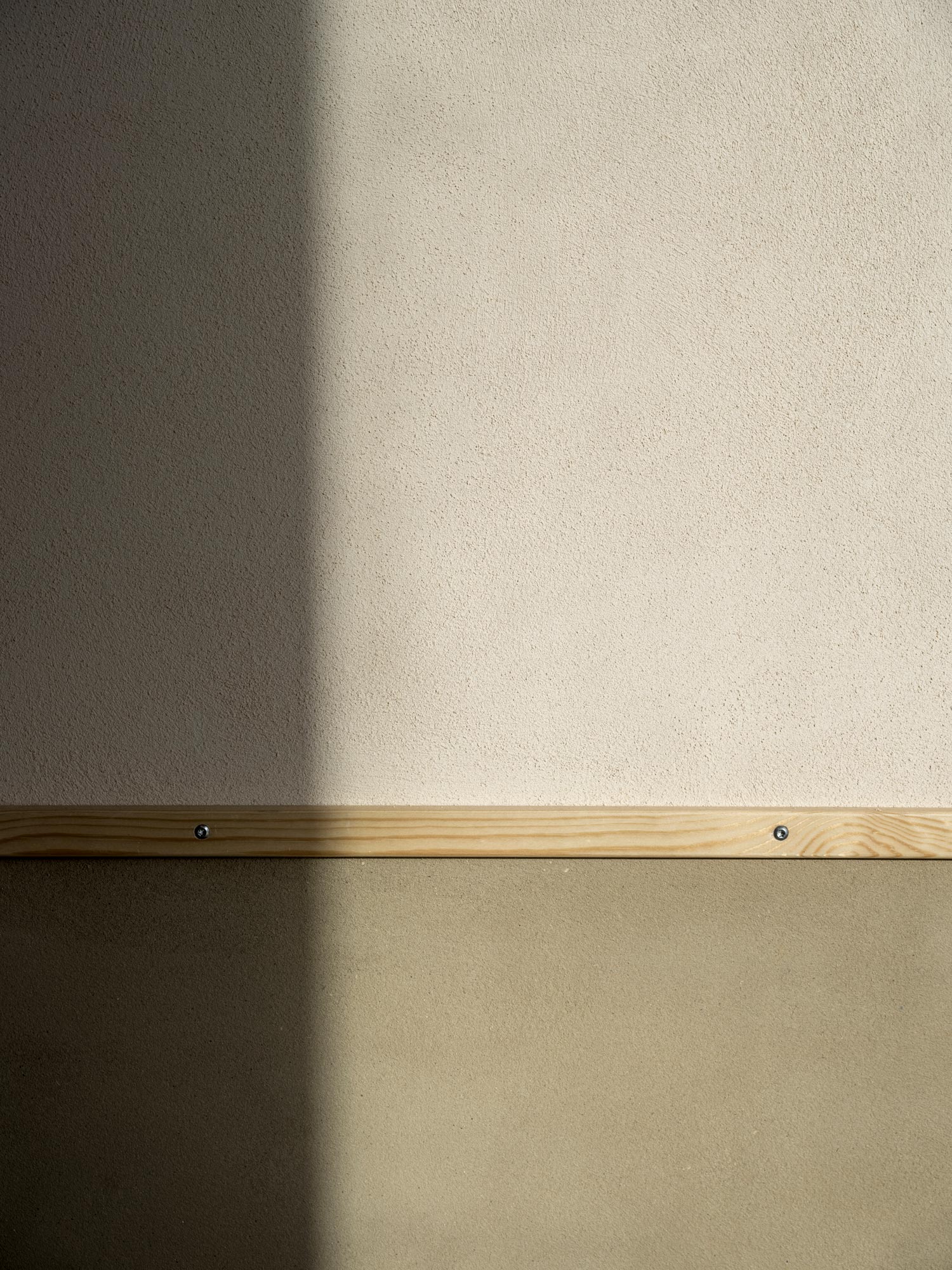
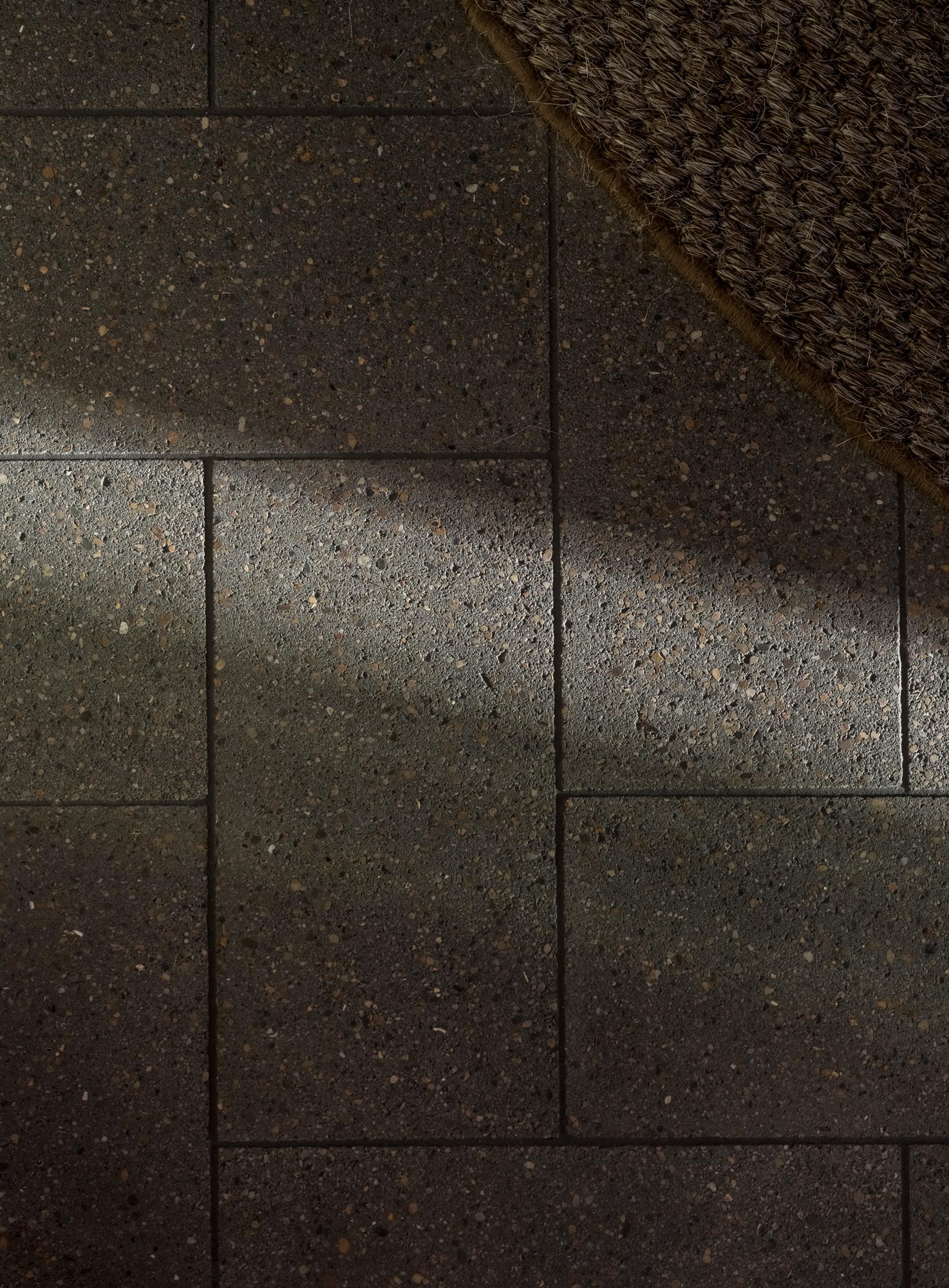
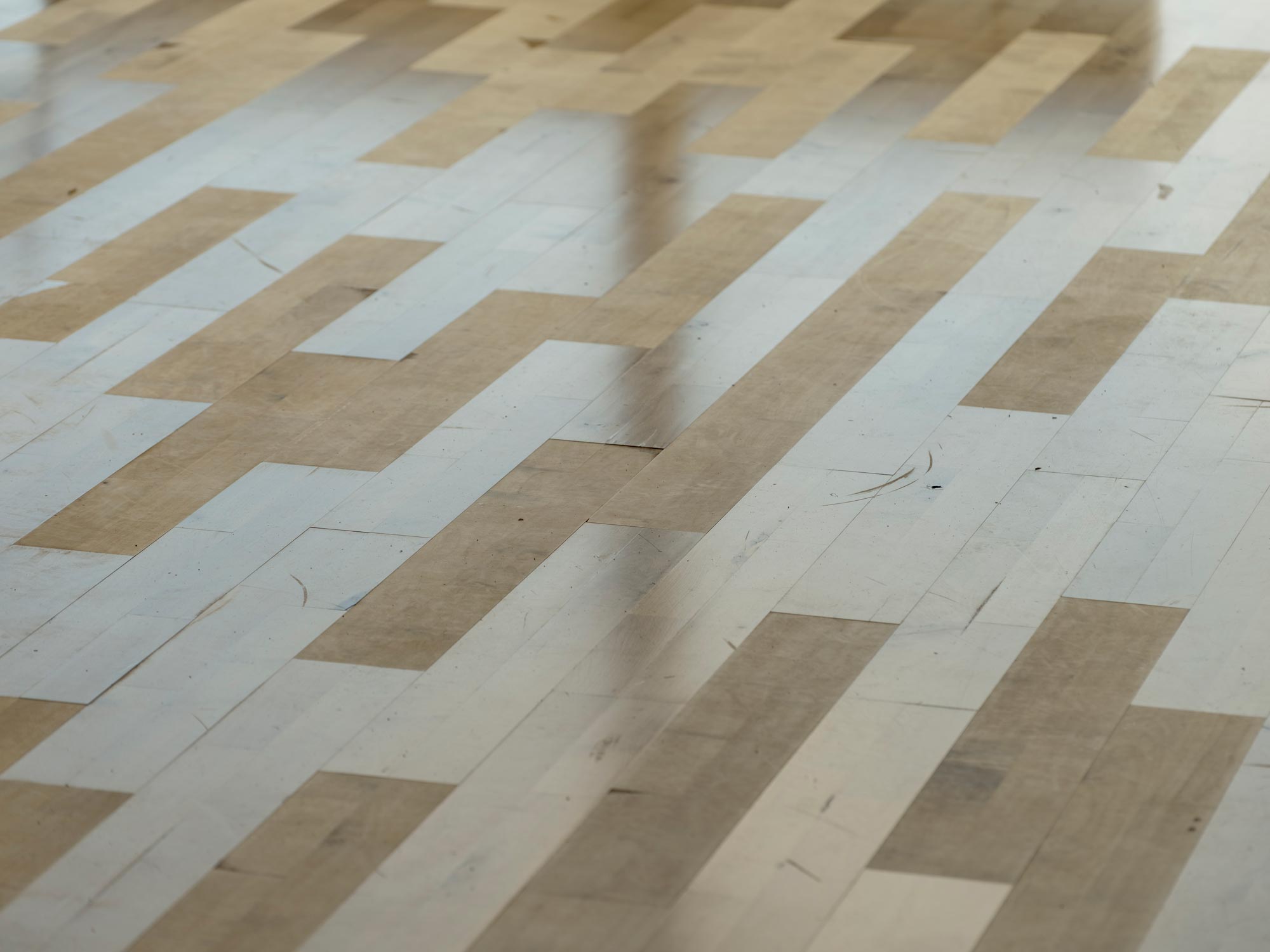
In November 2022, the partnership invited the construction industry to an “Open Call”. We wanted the market to submit proposals, see who was ready to contribute, and hopefully be pleasantly surprised by new, unfamiliar actors.
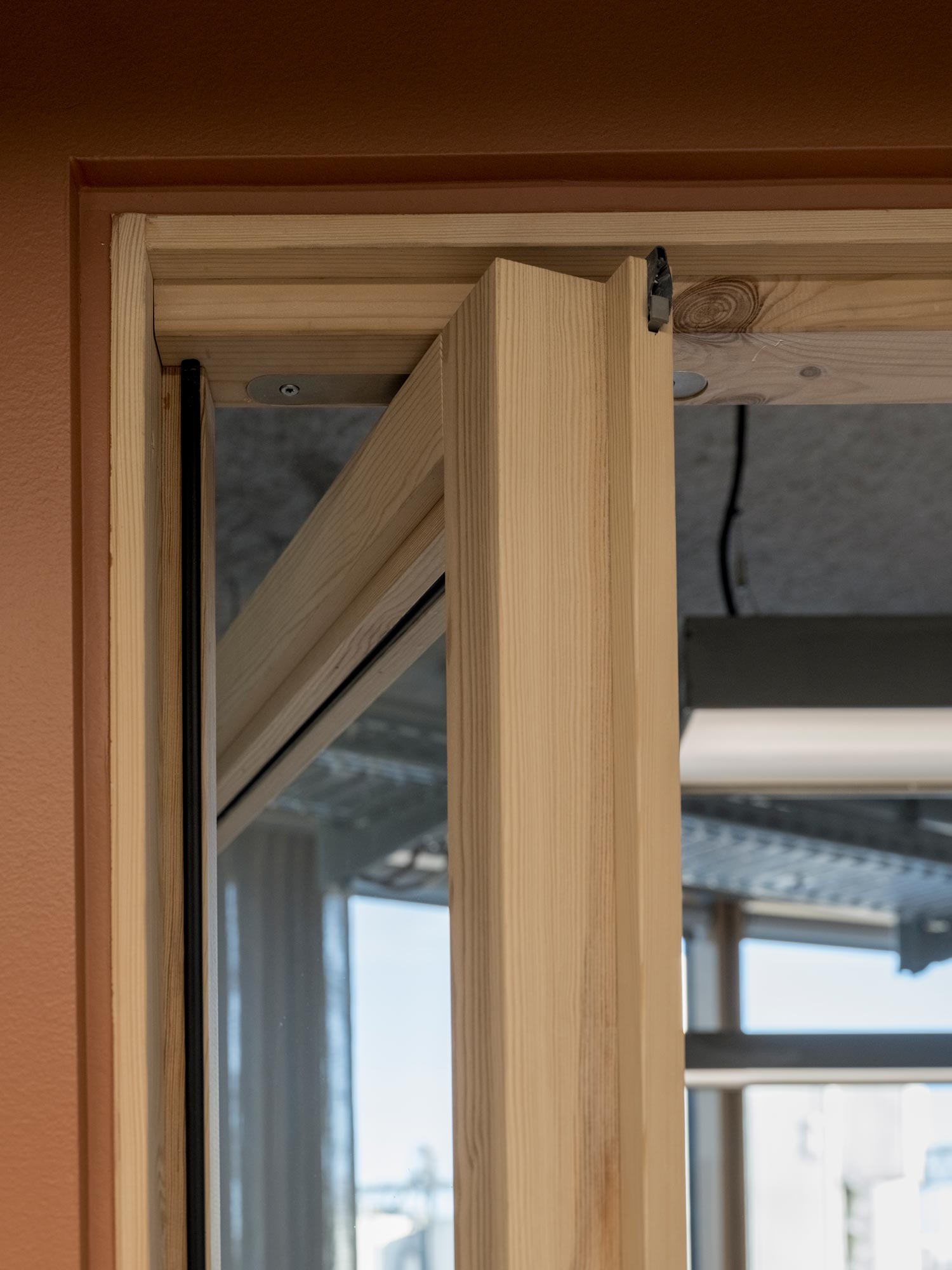
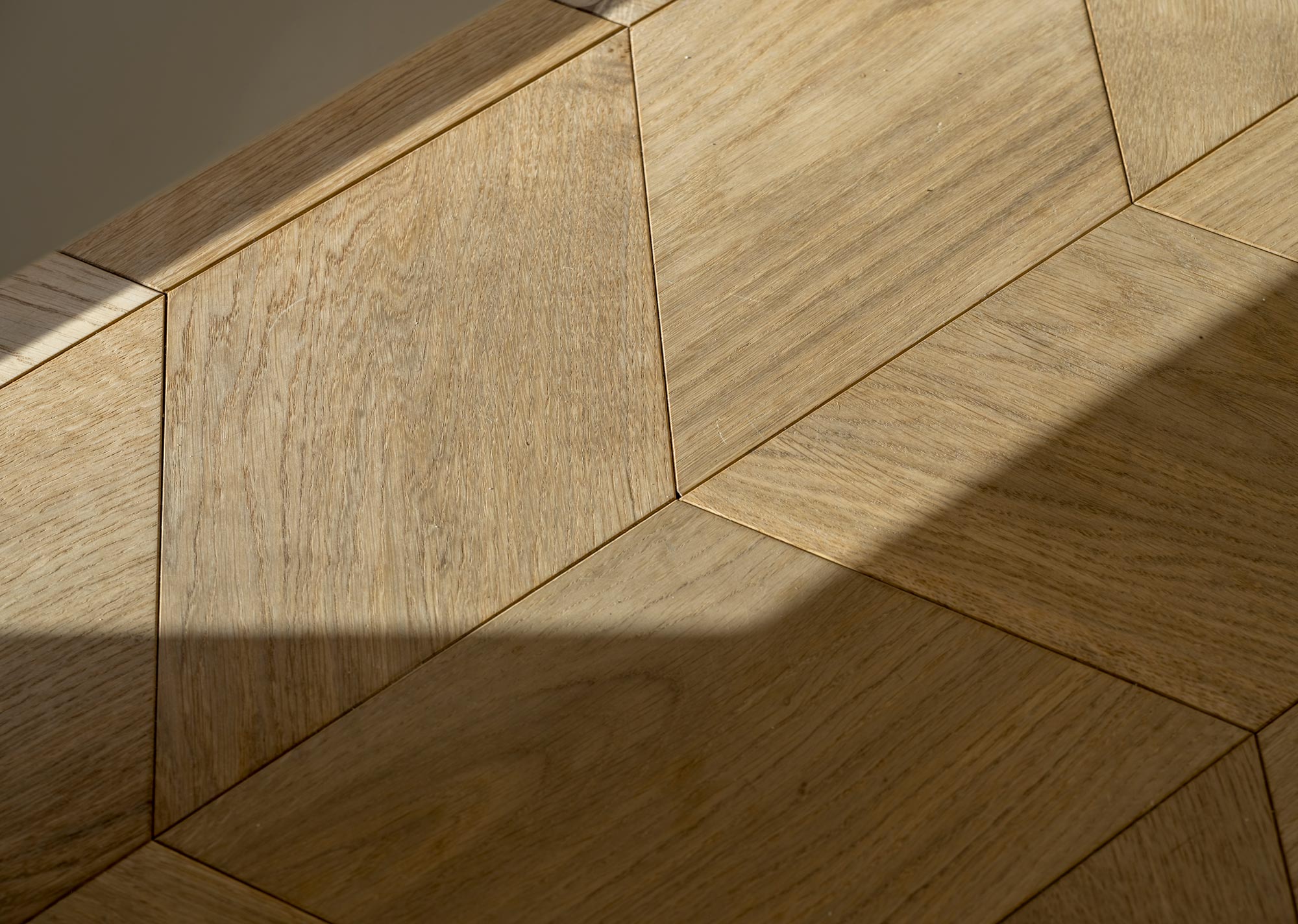
In total, TRÆ’s Living Lab successfully implemented 21 unique materials that passed the strict requirements for a large-scale office building. These consist of 9 reused, 5 upcycled, and 7 biogenic materials.
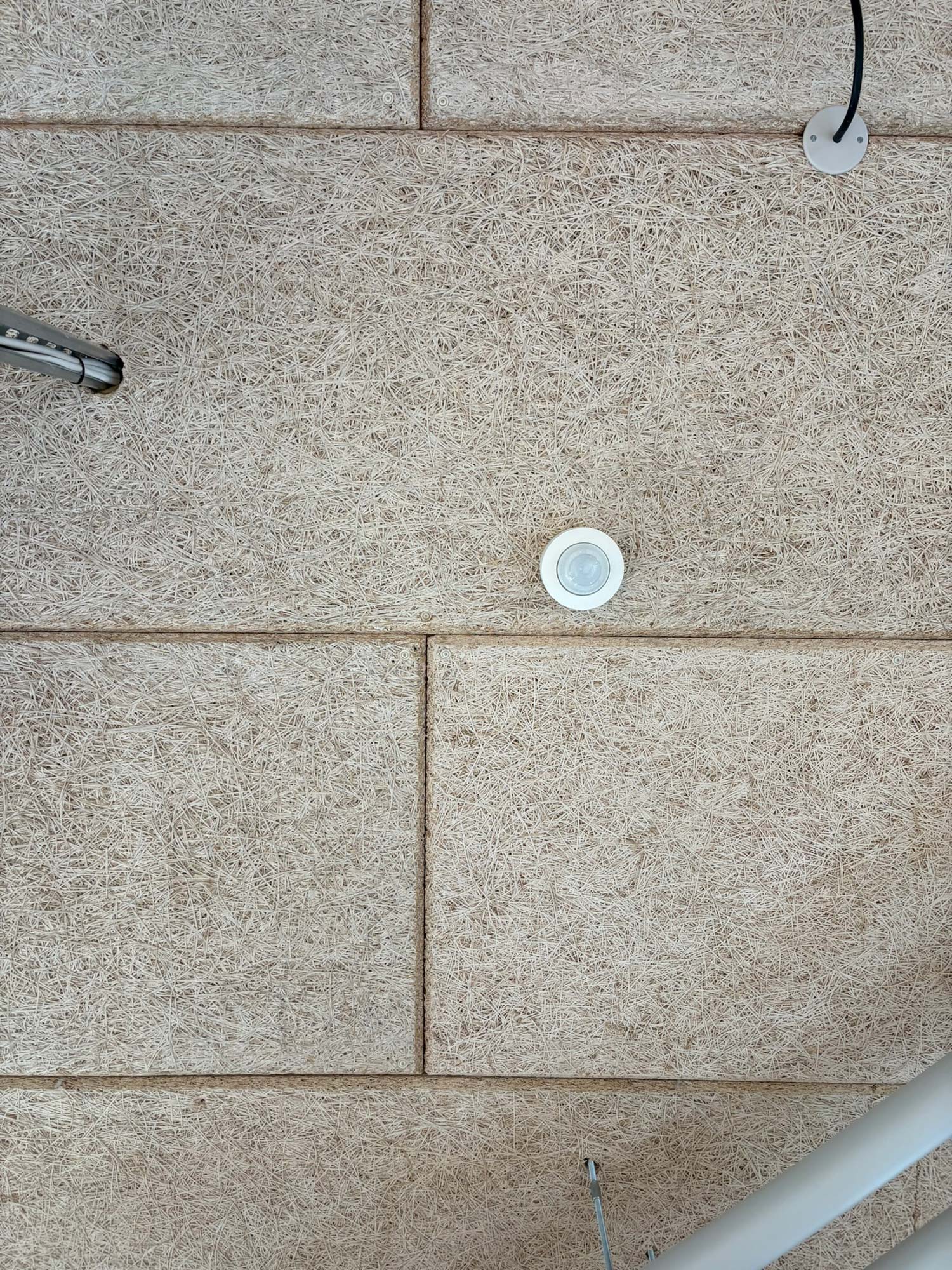
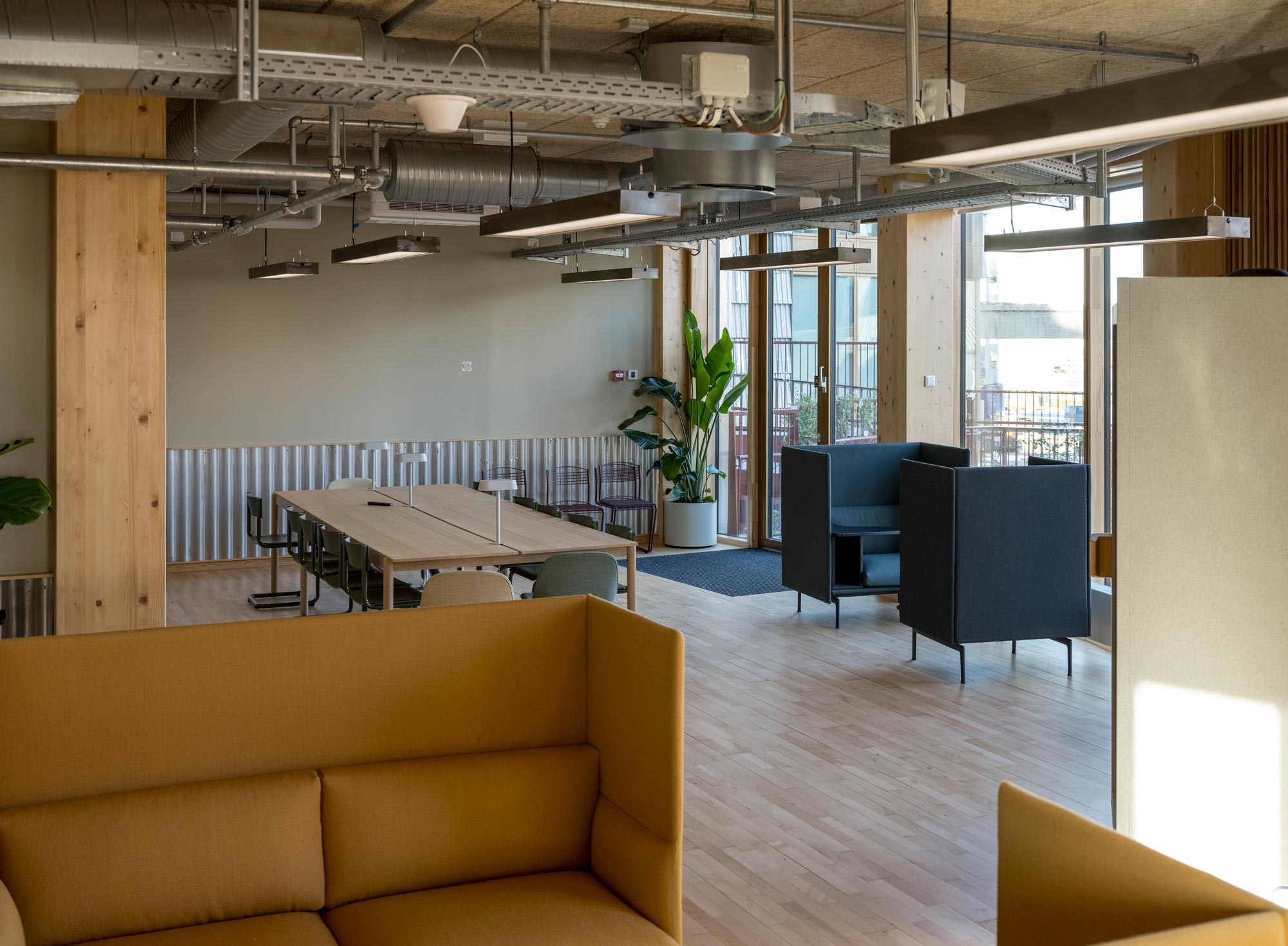
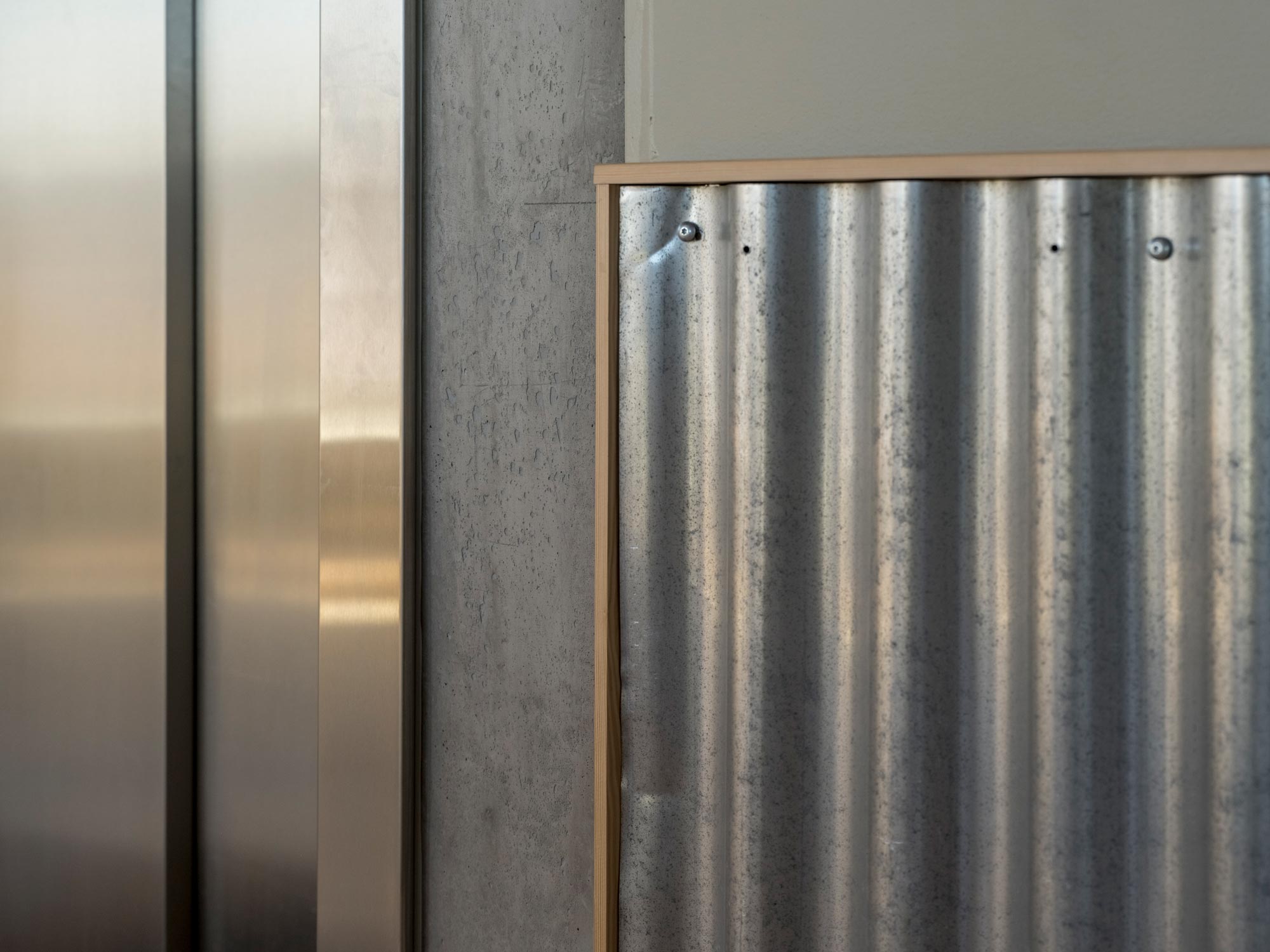
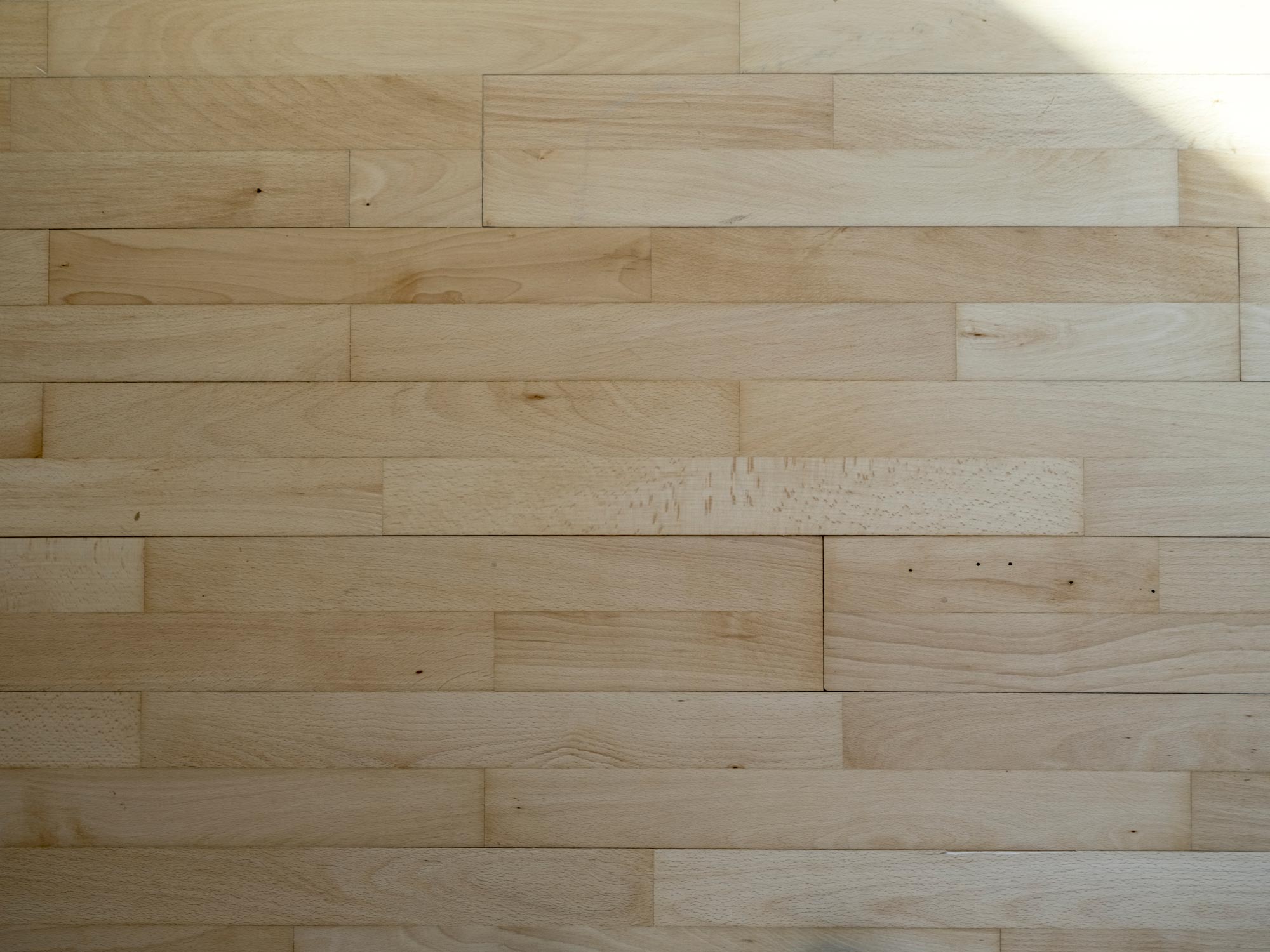
Living Lab serves as a micro-incubator and a safe testing ground. It allows manufacturers to refine materials before they are fully market-ready, helping them identify the most critical hurdles for future scaling.
To encourage this innovation, standard requirements sometimes need to be relaxed. Without this flexibility, new and untested sustainable materials would never get the chance to prove their potential in real-world construction. Moving forward, living laboratories will remain essential for setting the tone and driving the transition toward a fully circular construction industry.