Maglehøjgaard
Rebuilding with what’s already there
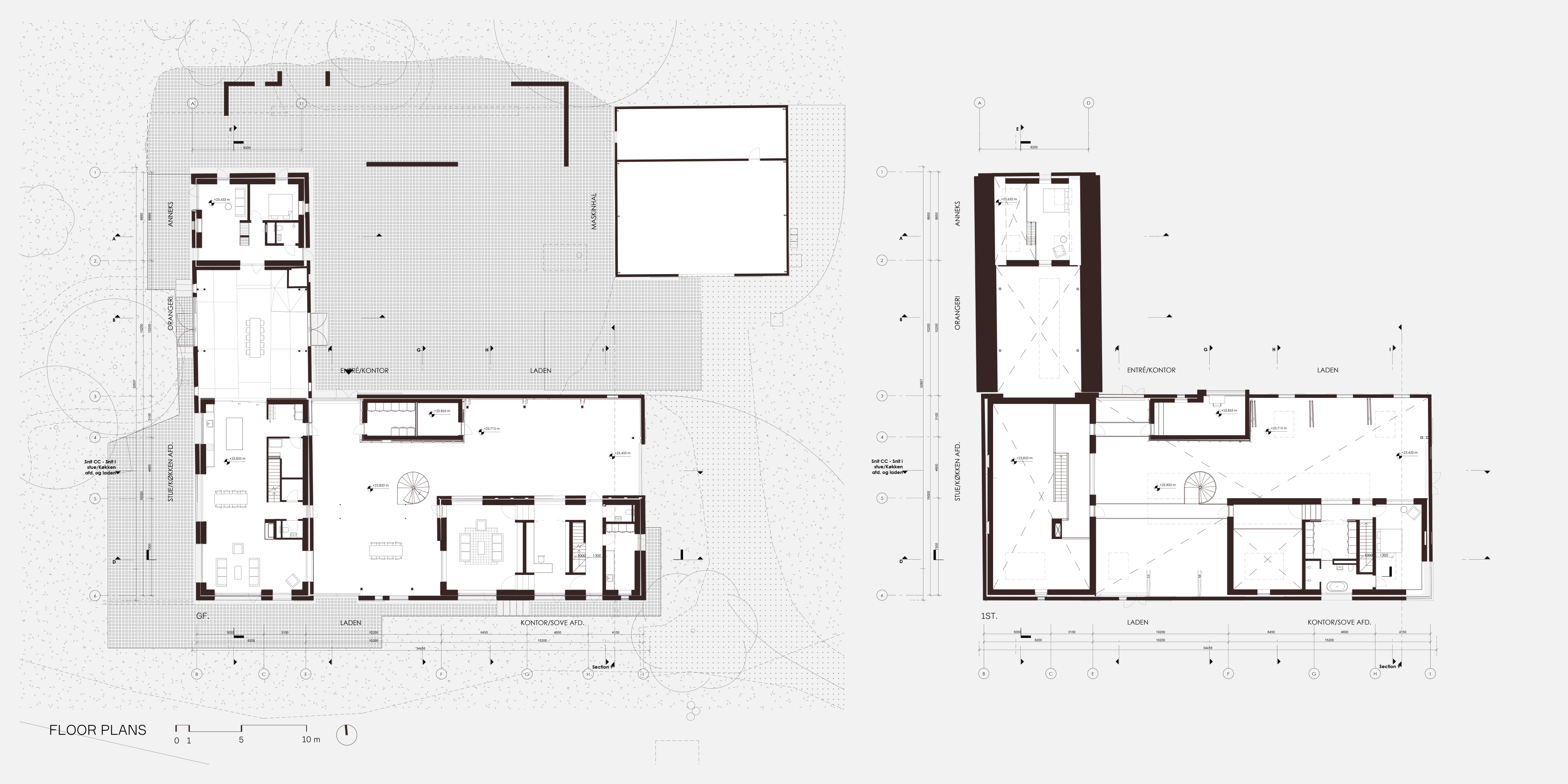
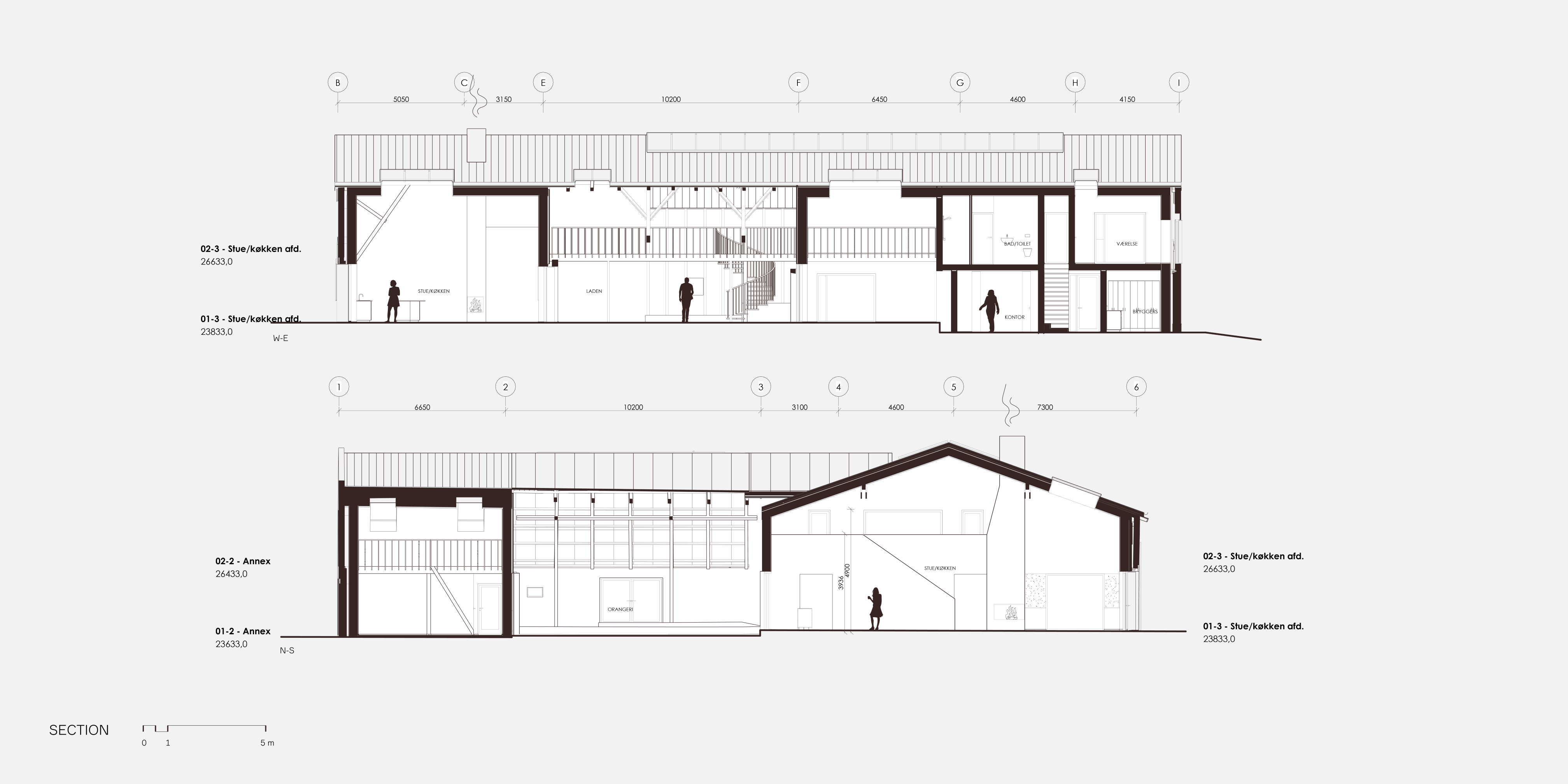
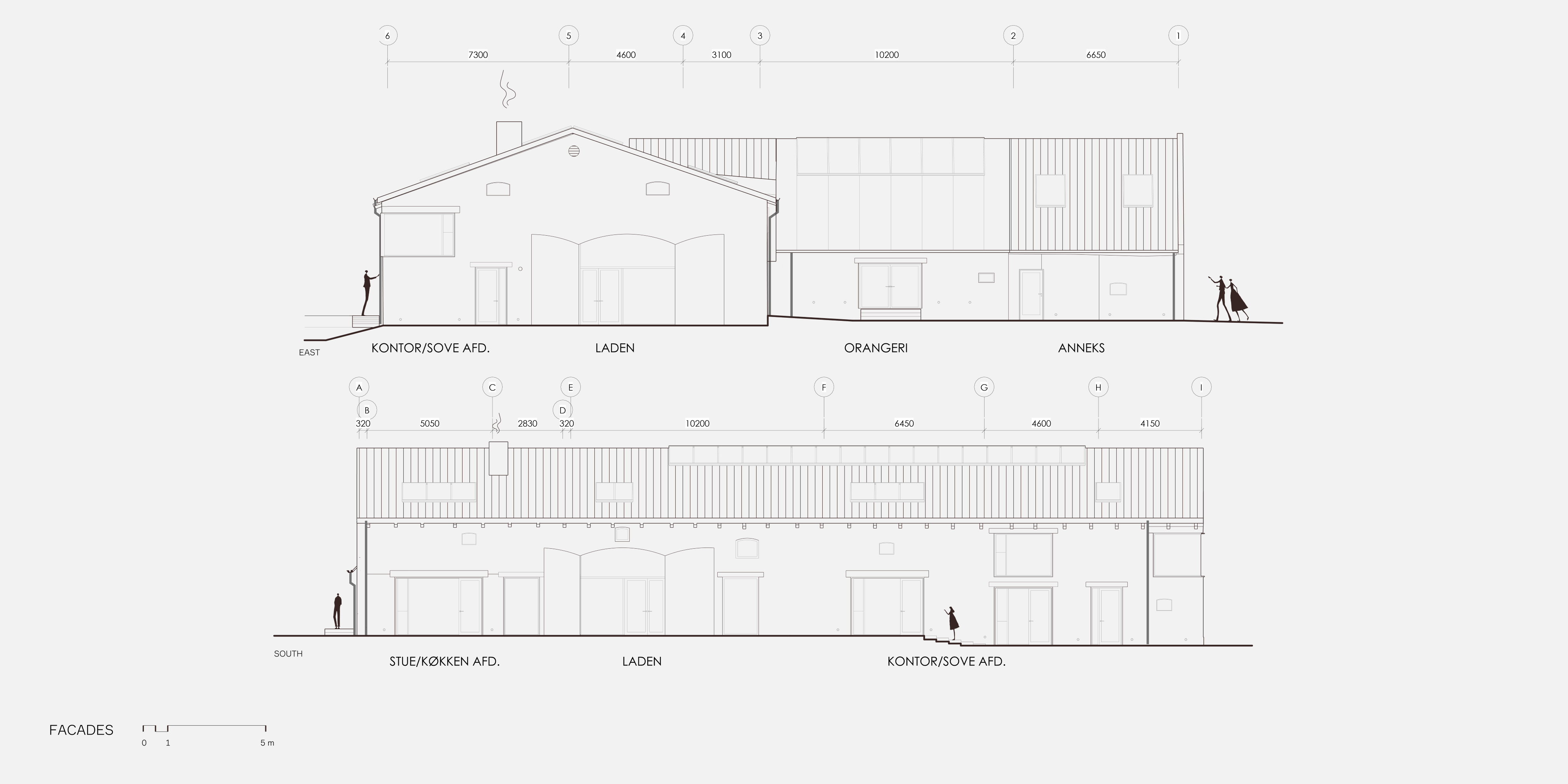
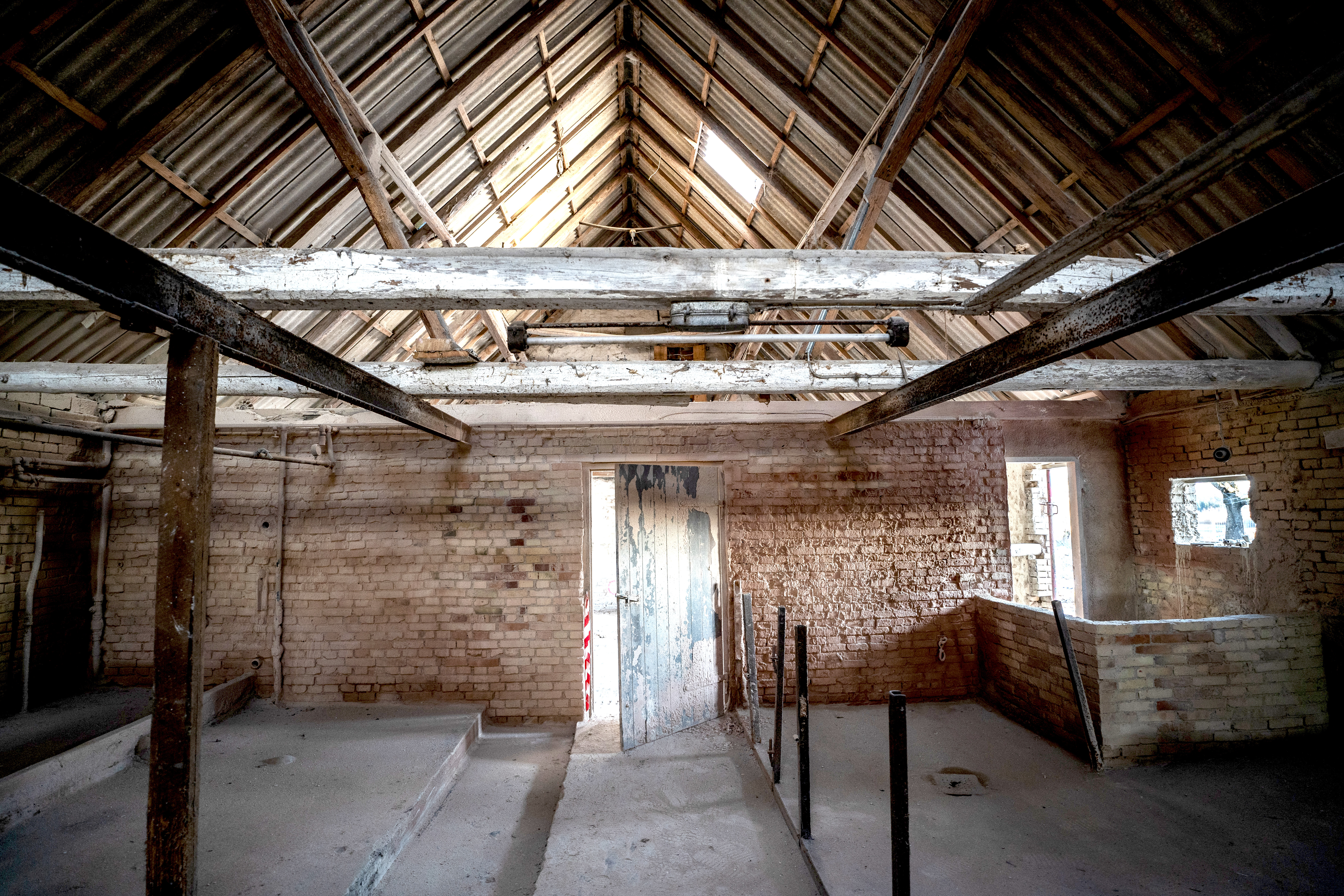
The transformation of the historic three‑winged Danish farmhouse Maglehøjgård is a contemporary reinterpretation of rural heritage. Eighty‑five years after its construction, the building is being renewed through a circular, material‑driven approach that respects its original character while preparing it for modern living standards and current building regulations. The project is grounded in circularity, trust, and craftsmanship, ensuring that the house’s identity is strengthened rather than replaced.
Location
Roskilde, Denmark
Area
900 m2
Typology
Residential
Collaborators
Ekolab
Holst Engineering
Krogsgaard & Co
Year
2023 –
Status
In development
Client
Jacob Jelsing og Camilla Zacho
Services
Architectural consulting
Photos by
Ravnbak og far
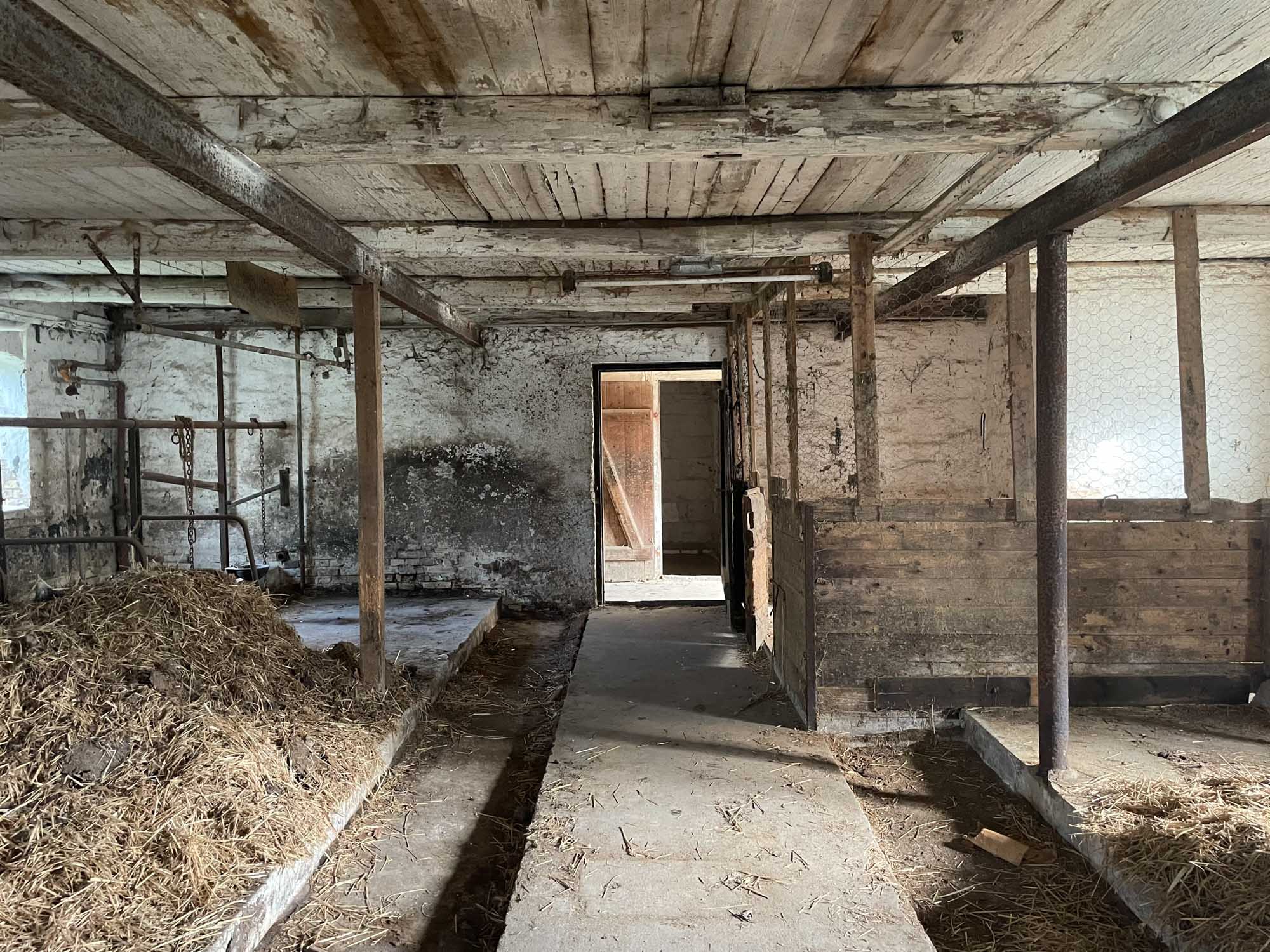
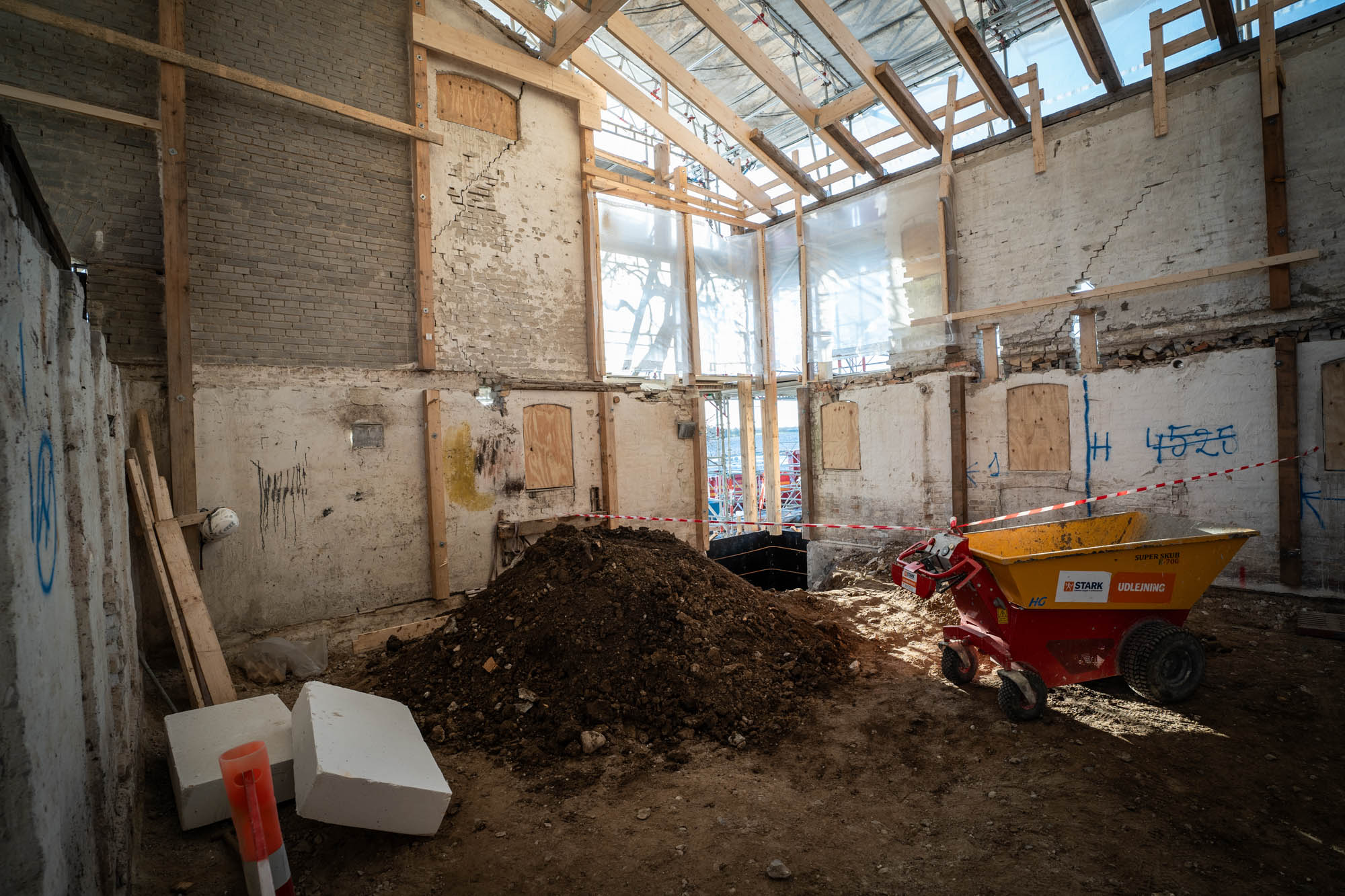
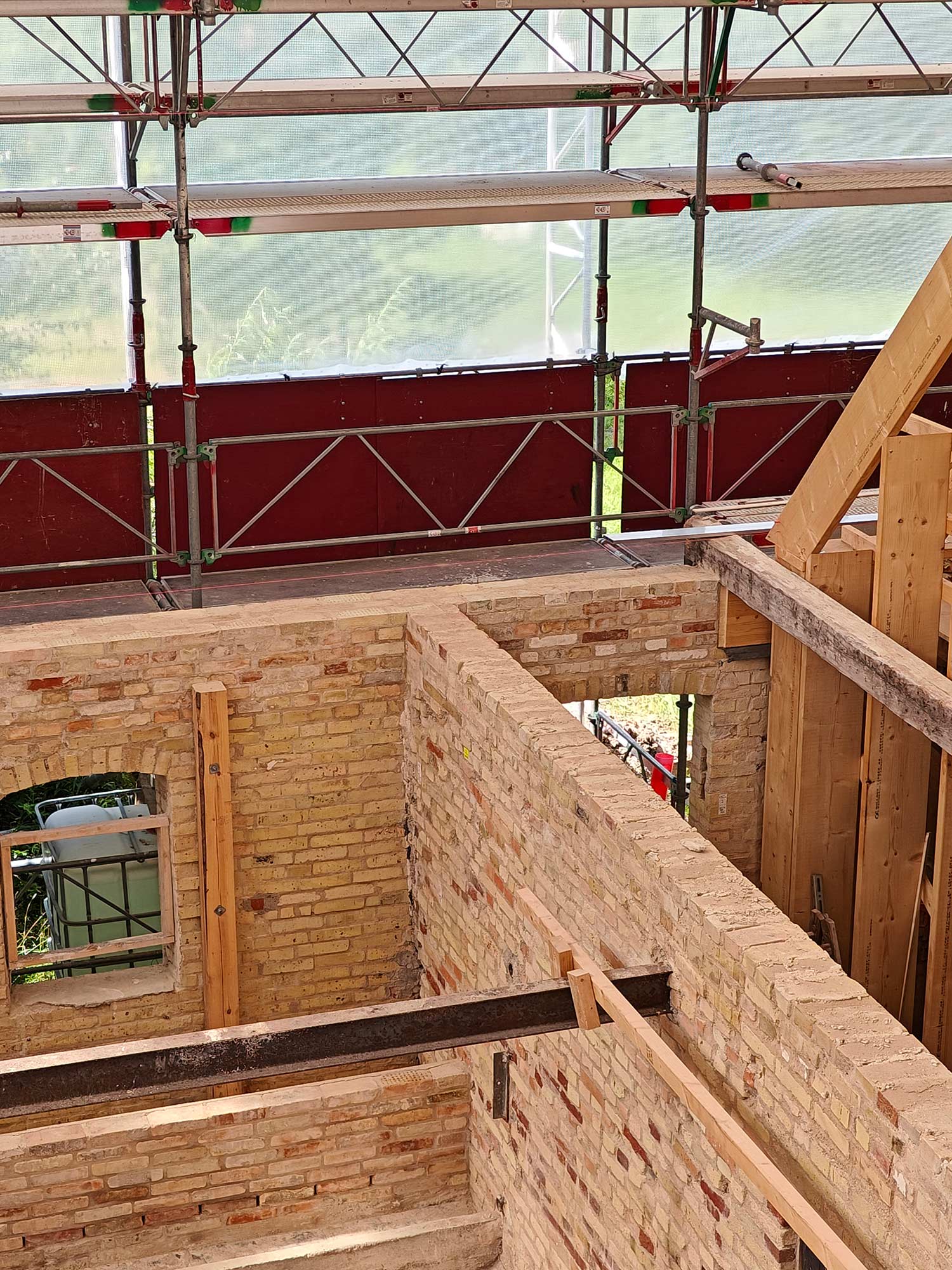
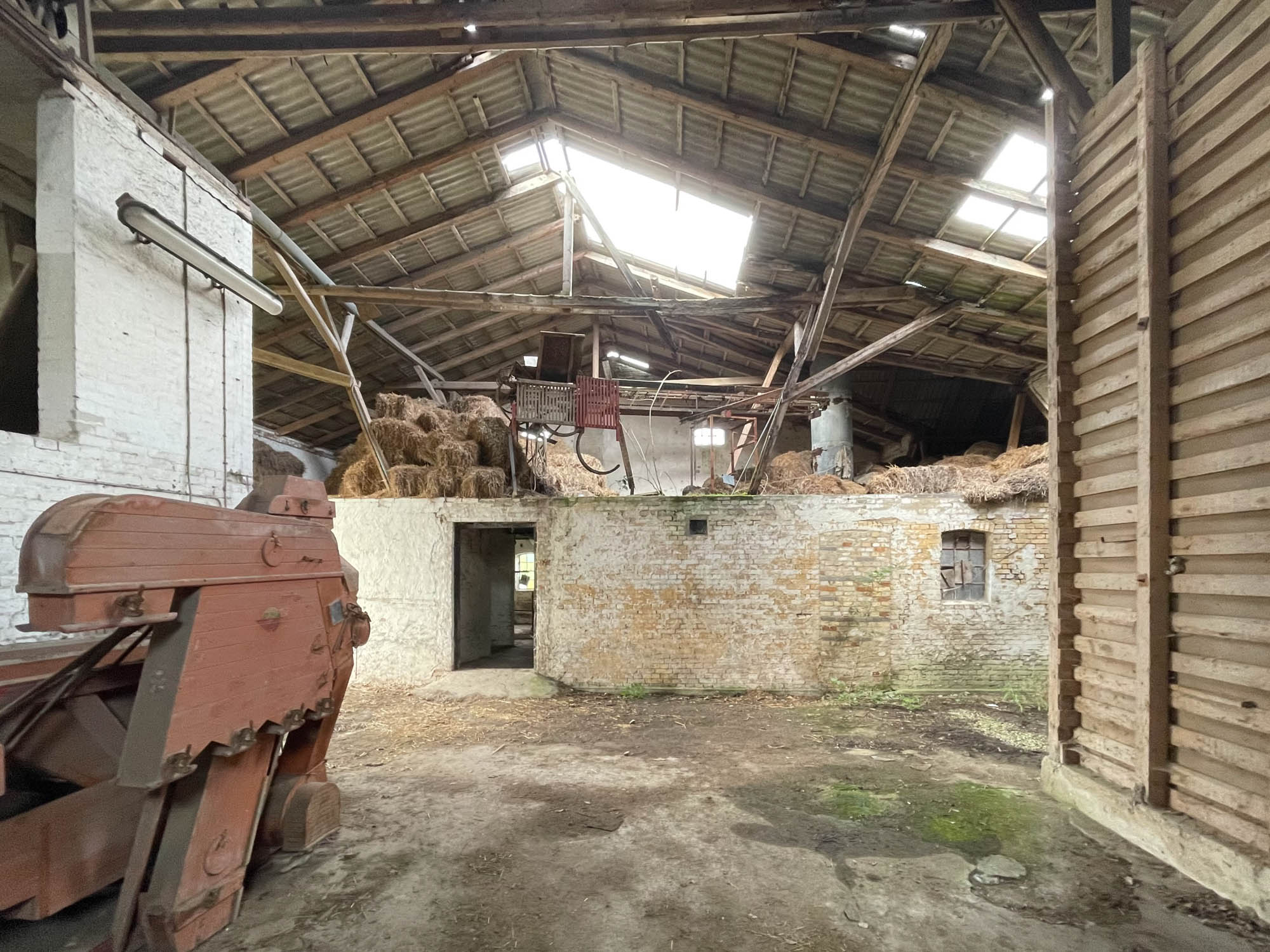
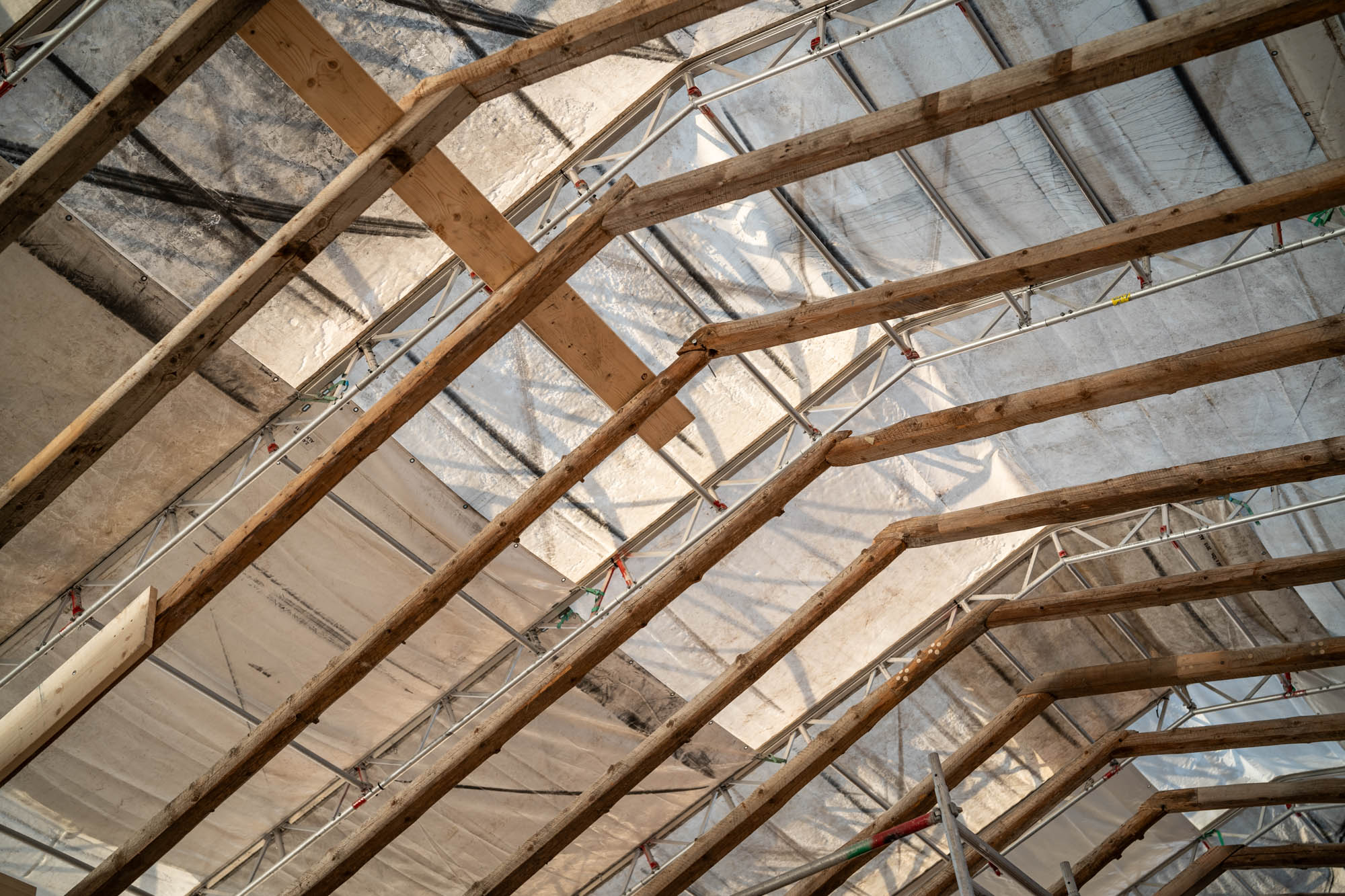
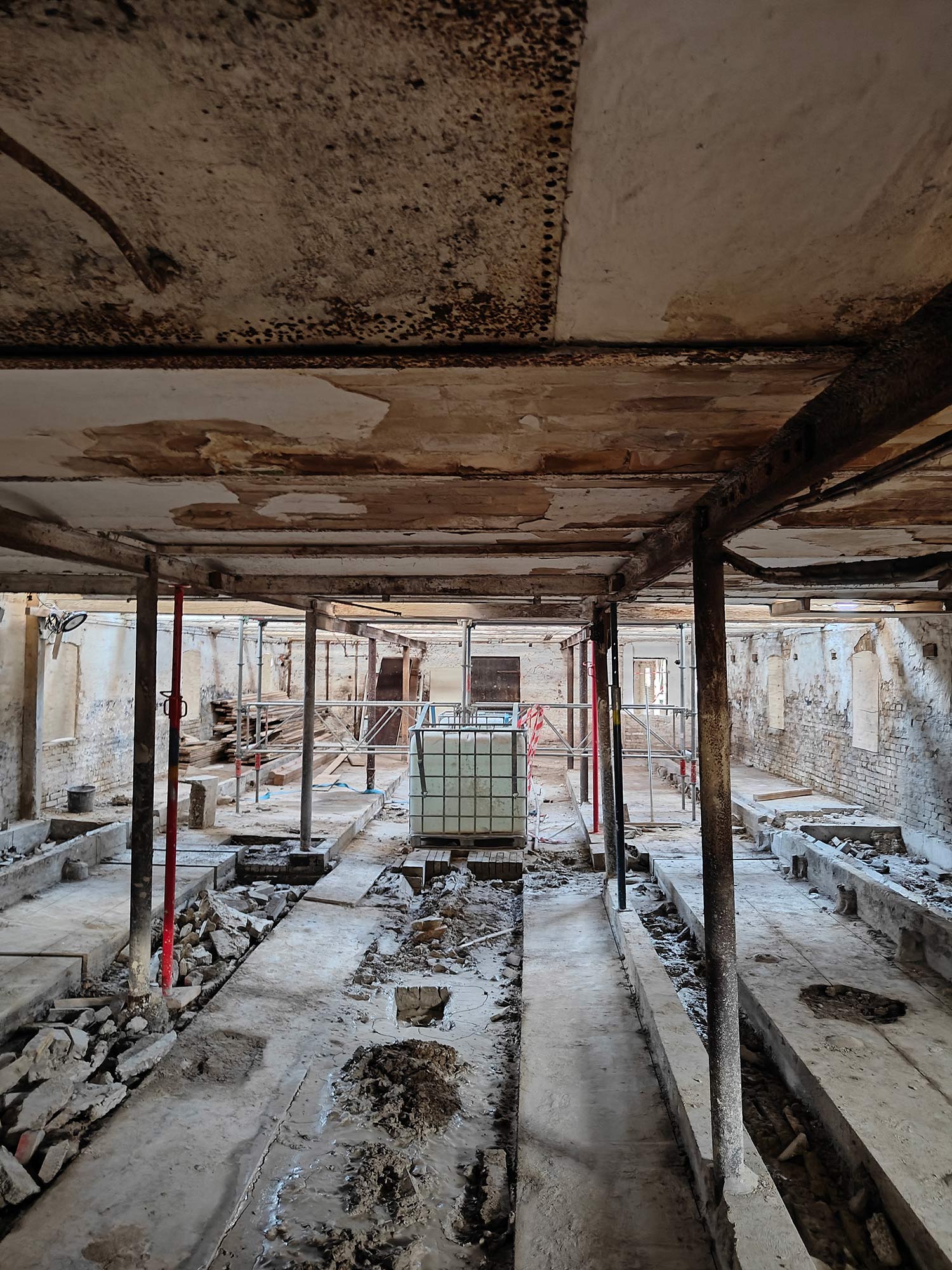
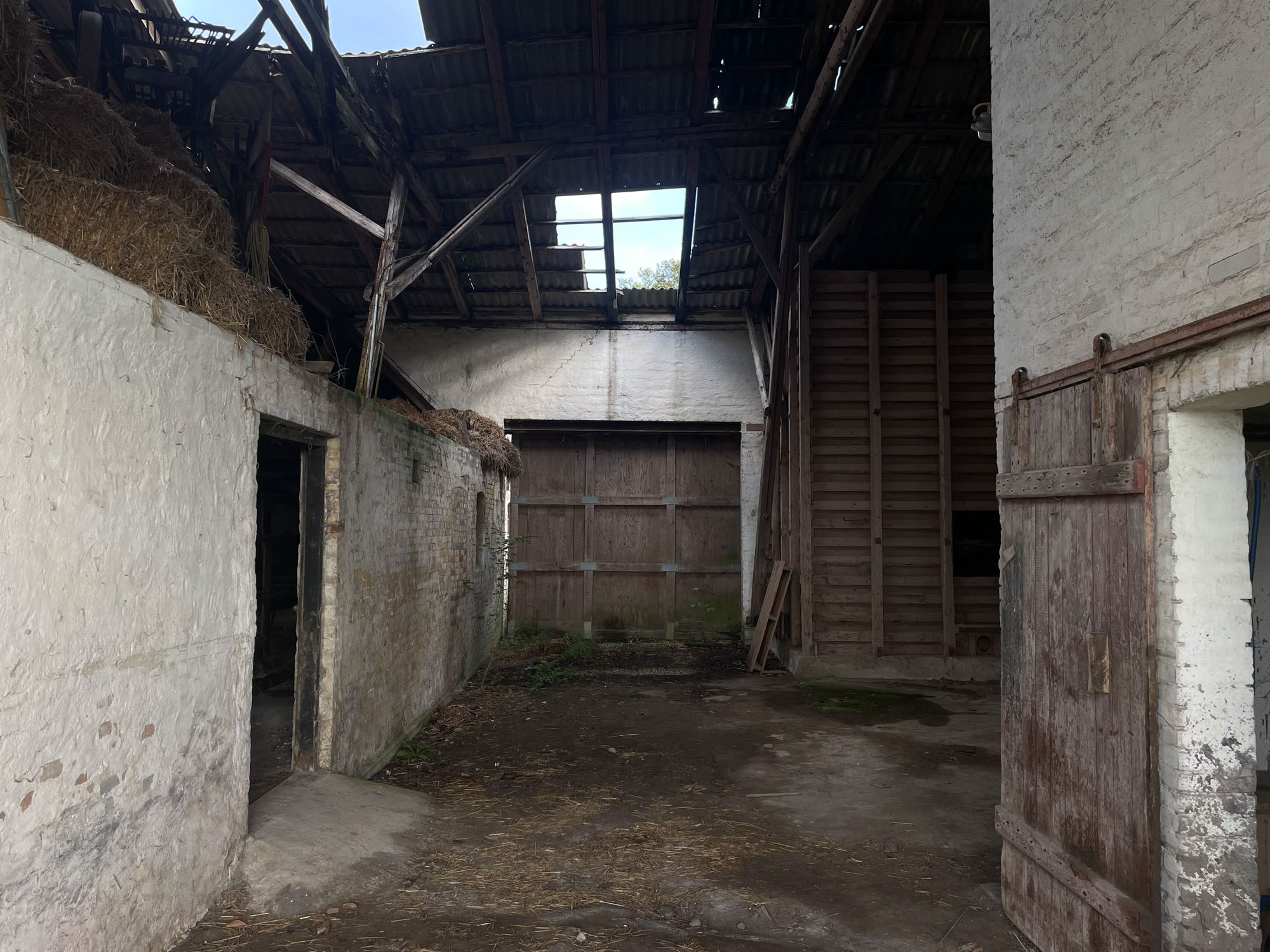
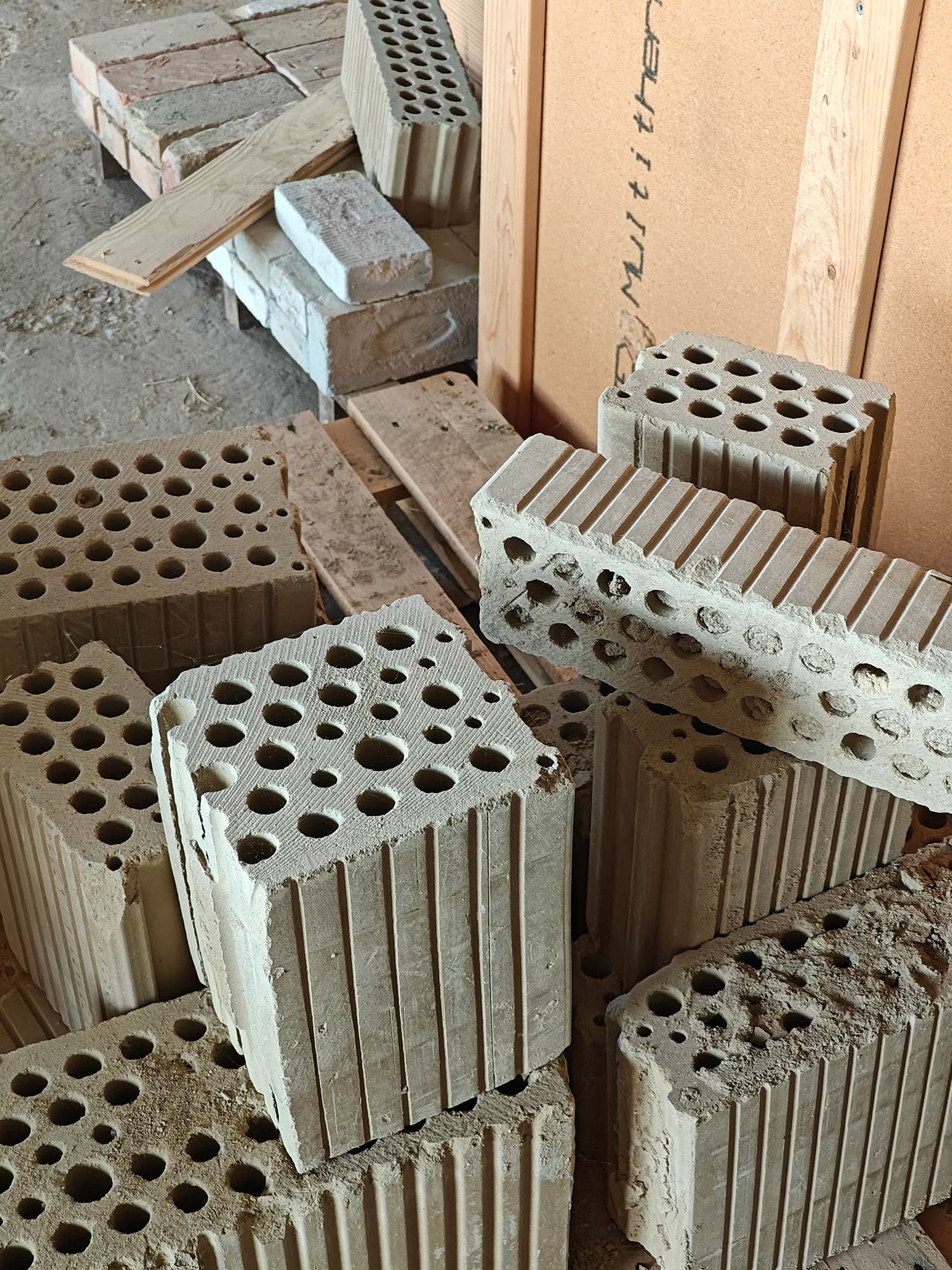
Maglehøjgård’s existing structure presents both opportunities and challenges. Parts of the original construction require reinforcement, and new spatial needs introduce a complex mix of load‑bearing solutions. To navigate this, the project adopts an early tender process that brings architects, engineers, and contractors together from the beginning, allowing technical knowledge to shape the design. A detailed mapping of materials guides the transformation: elements with reuse potential are dismantled, cleaned, catalogued, and prepared for reincorporation. This includes the former barn’s roof structure, which has been taken down piece by piece and then carefully reassembled and supplemented only where necessary with new timber and glulam.
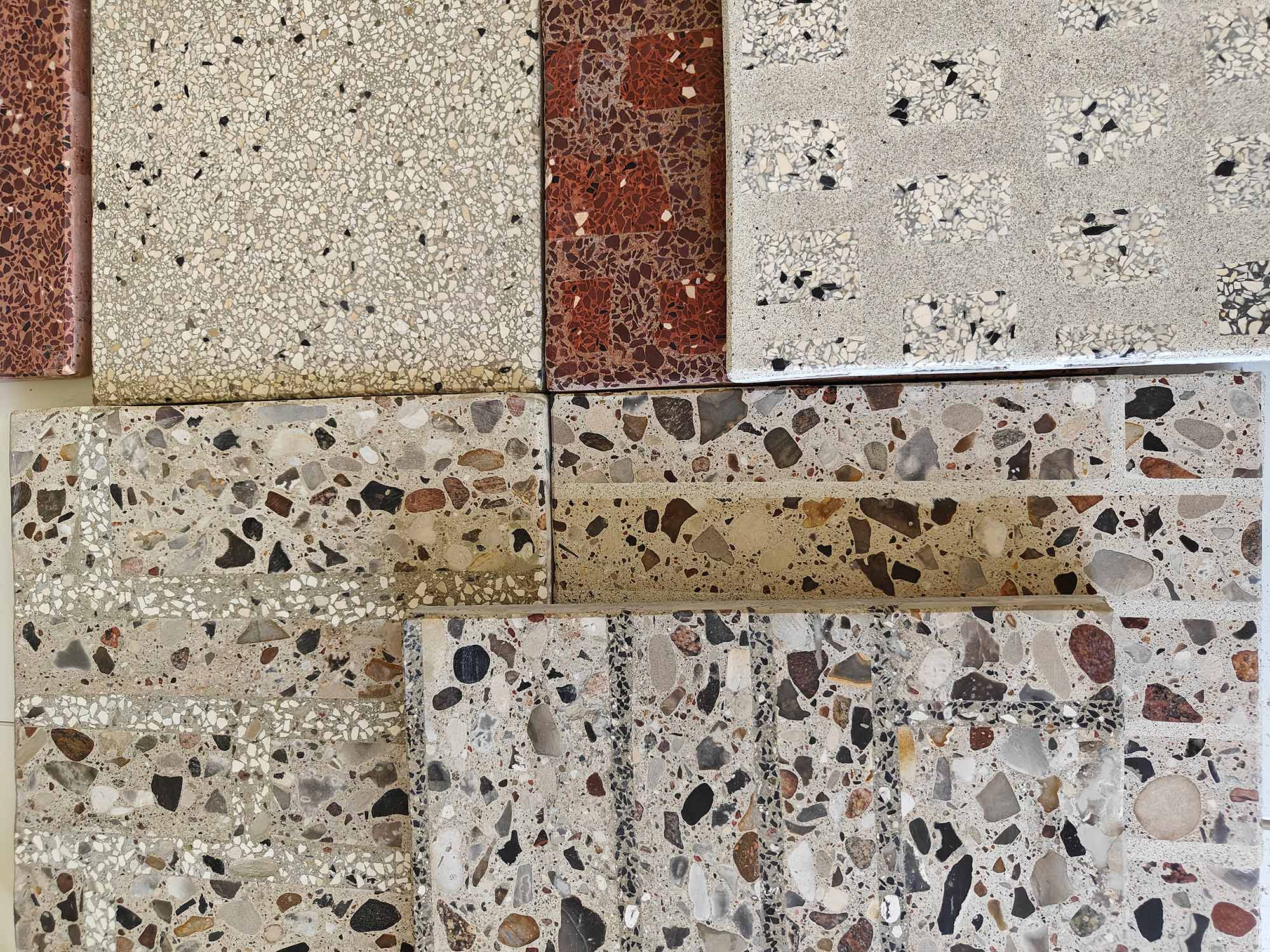
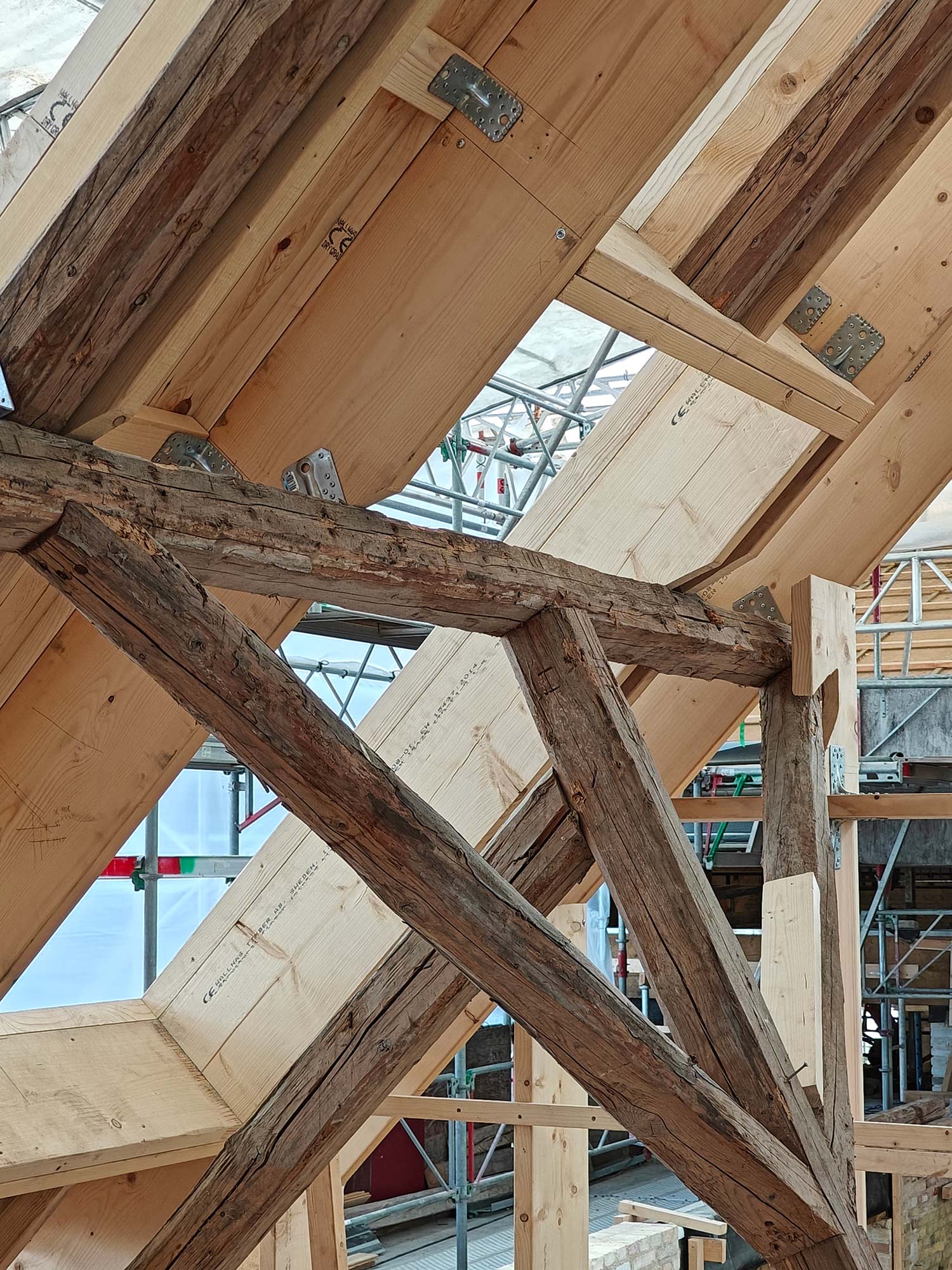
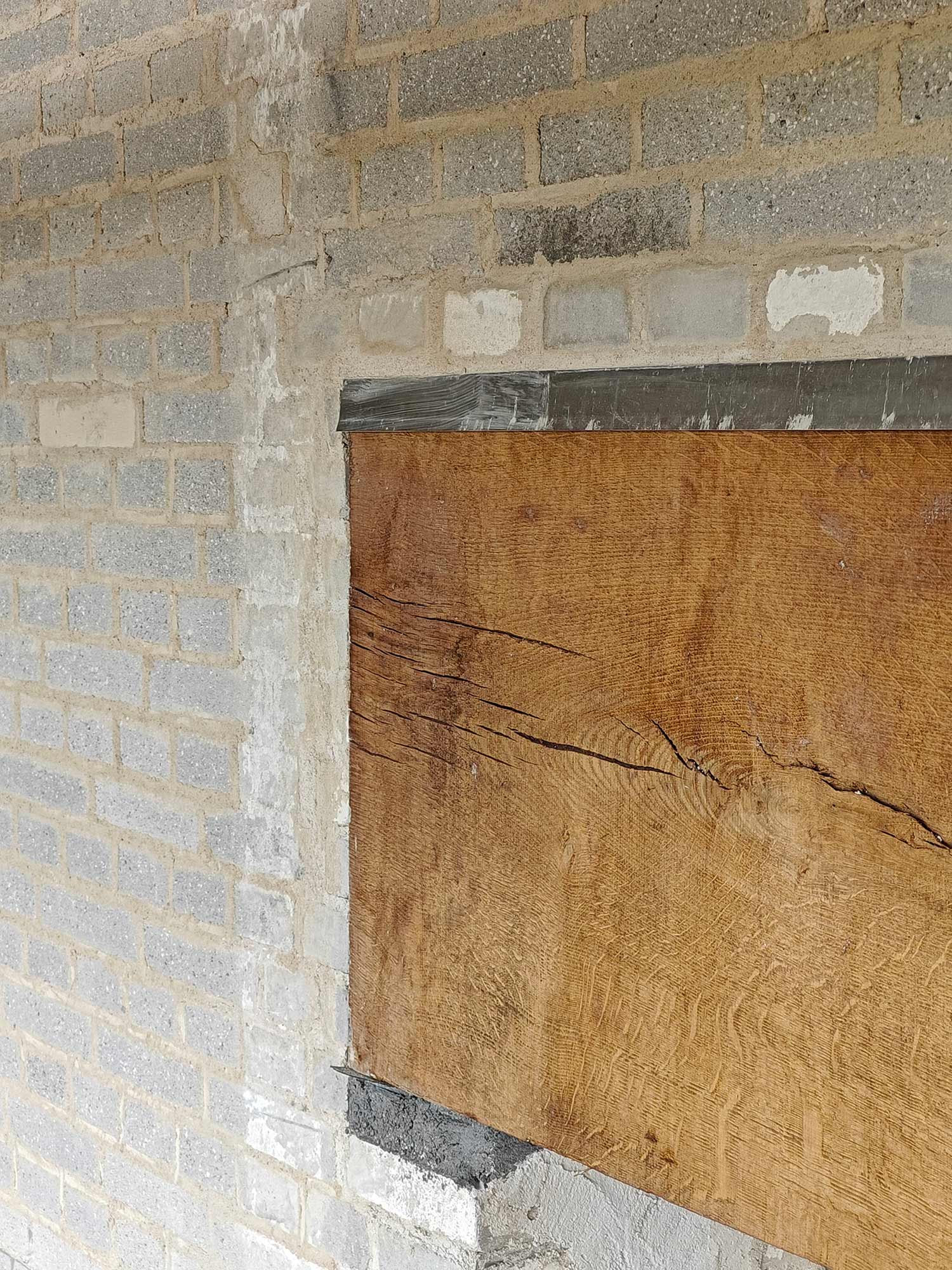
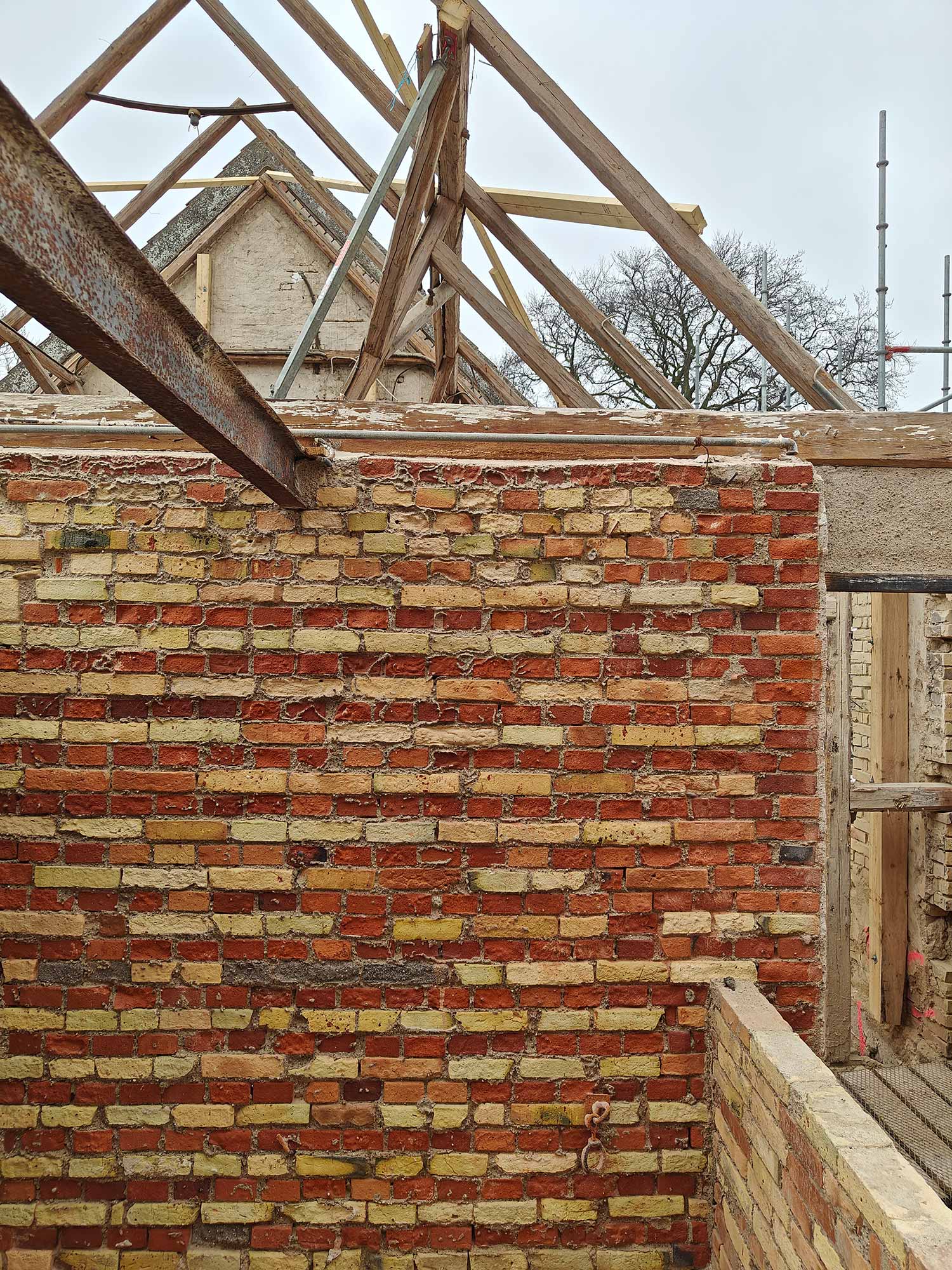
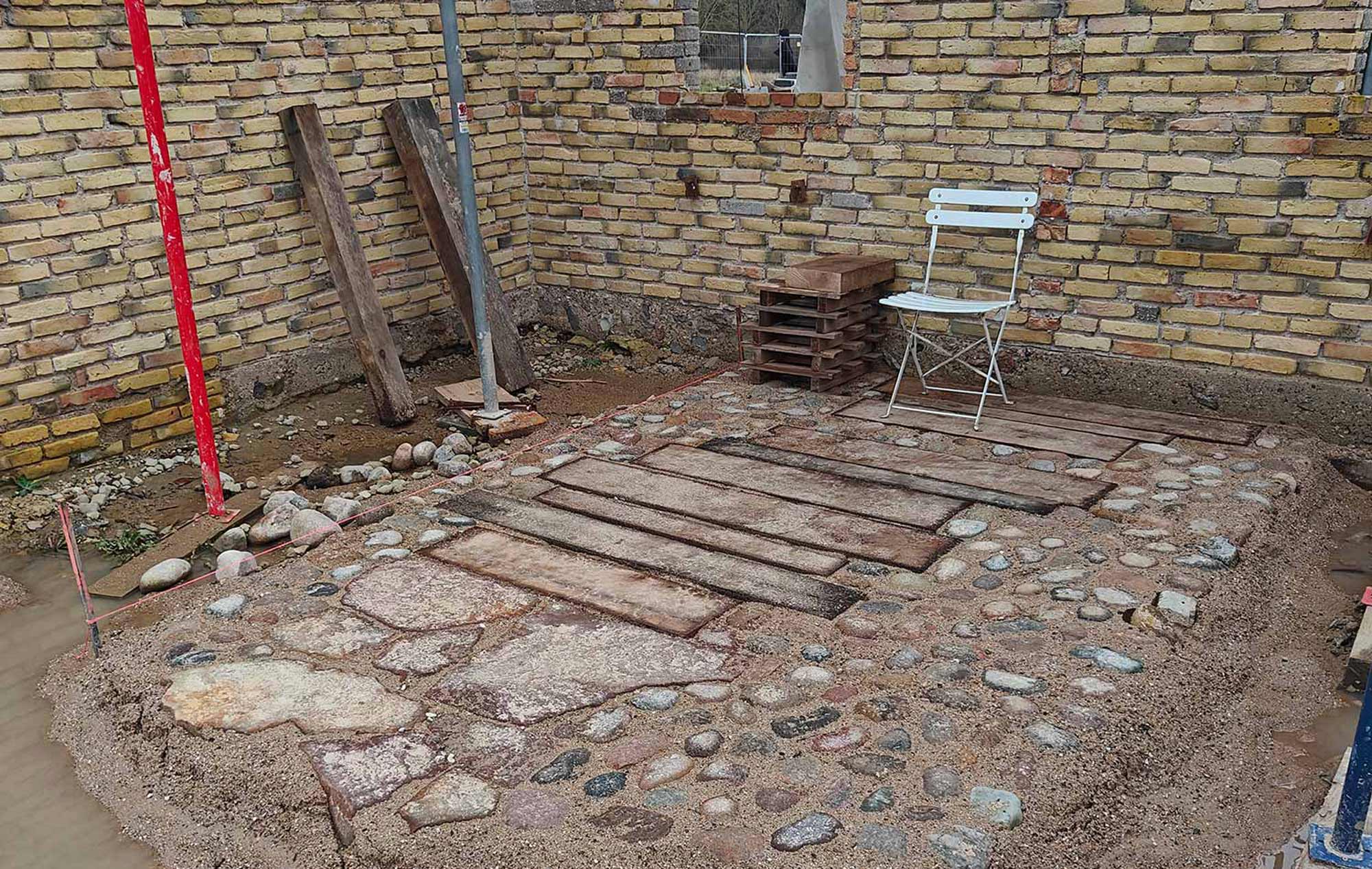
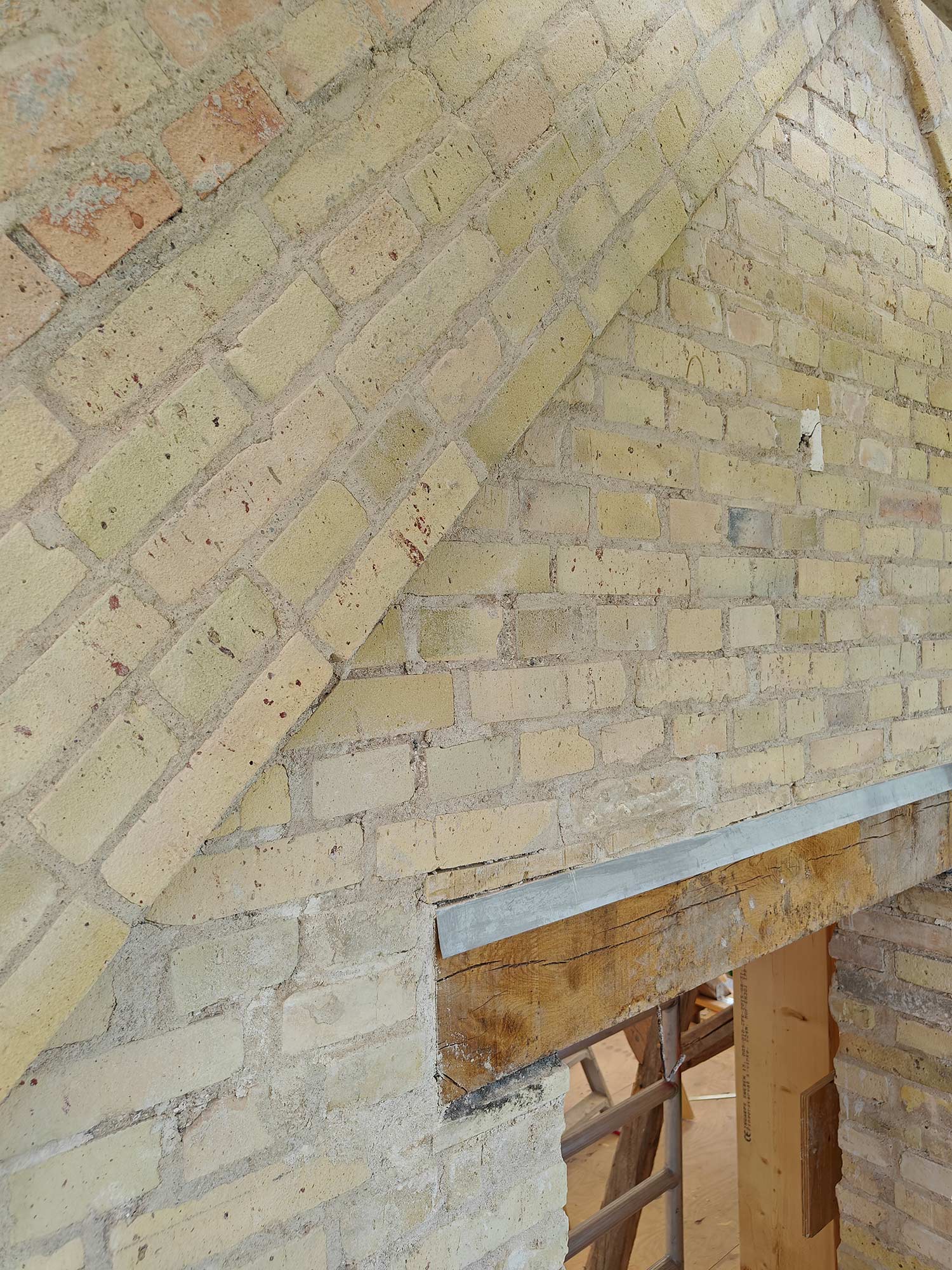
The project places strong emphasis on traditional craftsmanship and the architectural richness already present on site. Timber joints are restored with precision, allowing the structure to retain its tactile, handmade quality. The existing brick walls have been sandblasted to reveal their varied tones of yellow, red, and white limestone. Their patina, shaped by weather and use, becomes a defining feature that anchors the renewed spaces in their history.
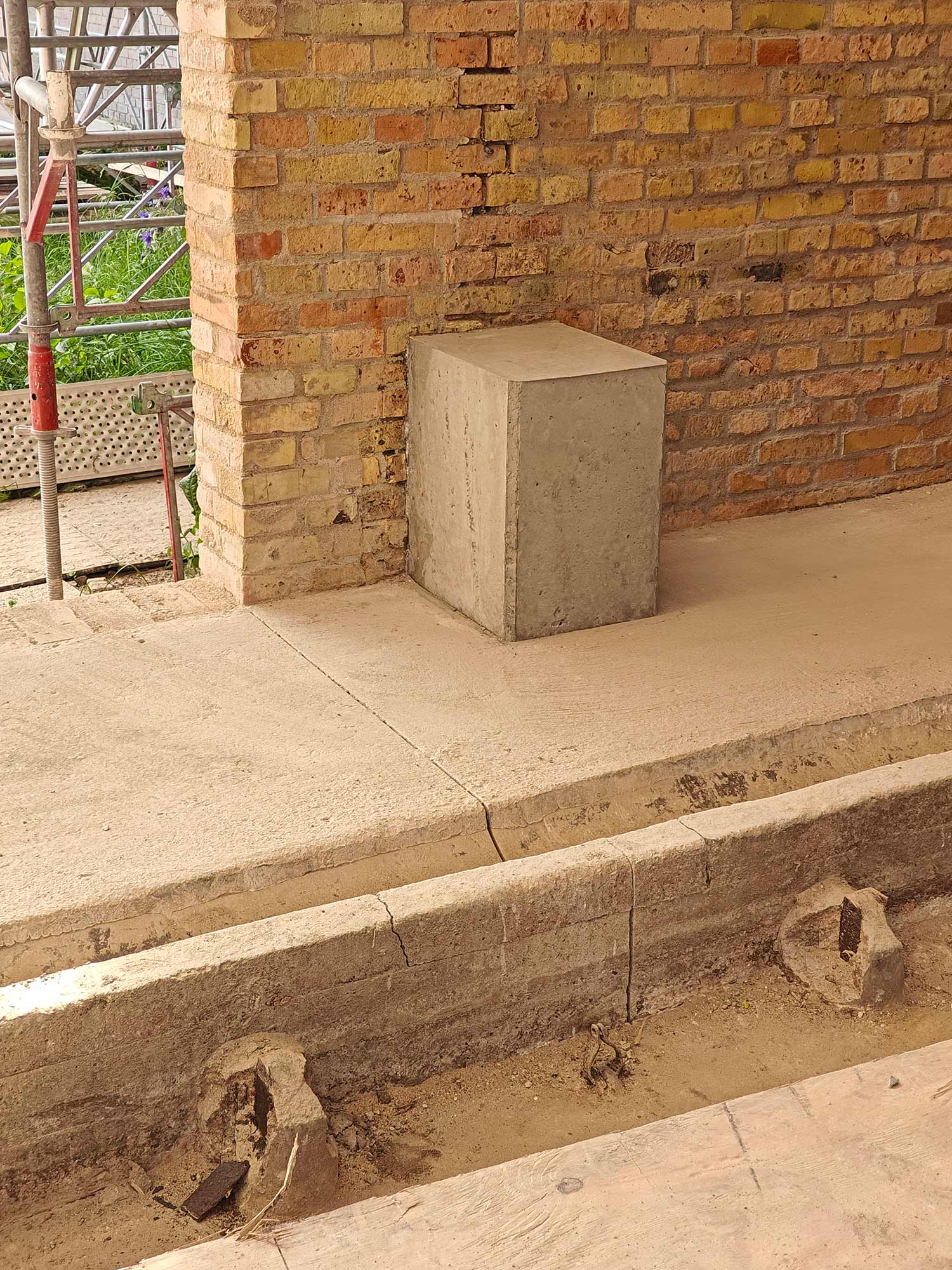
The vision for Maglehøjgård is to create a home that feels both rooted and forward‑looking. New openings and connections between the wings introduce daylight and spatial clarity, supporting contemporary living while maintaining the farm’s characteristic geometry. By combining circular strategies with sensitive architectural interventions, the project demonstrates how heritage buildings can evolve into future‑proof homes while allowing materials with almost a thousand years of collective history to contribute meaningfully to a new chapter.