Slagteriet
Cultural sustainability
The most sustainable building is the one that is never built. This principle guided the revitalisation of the Slaughterhouse in Holstebro by prioritising the existing reuse of existing structures.
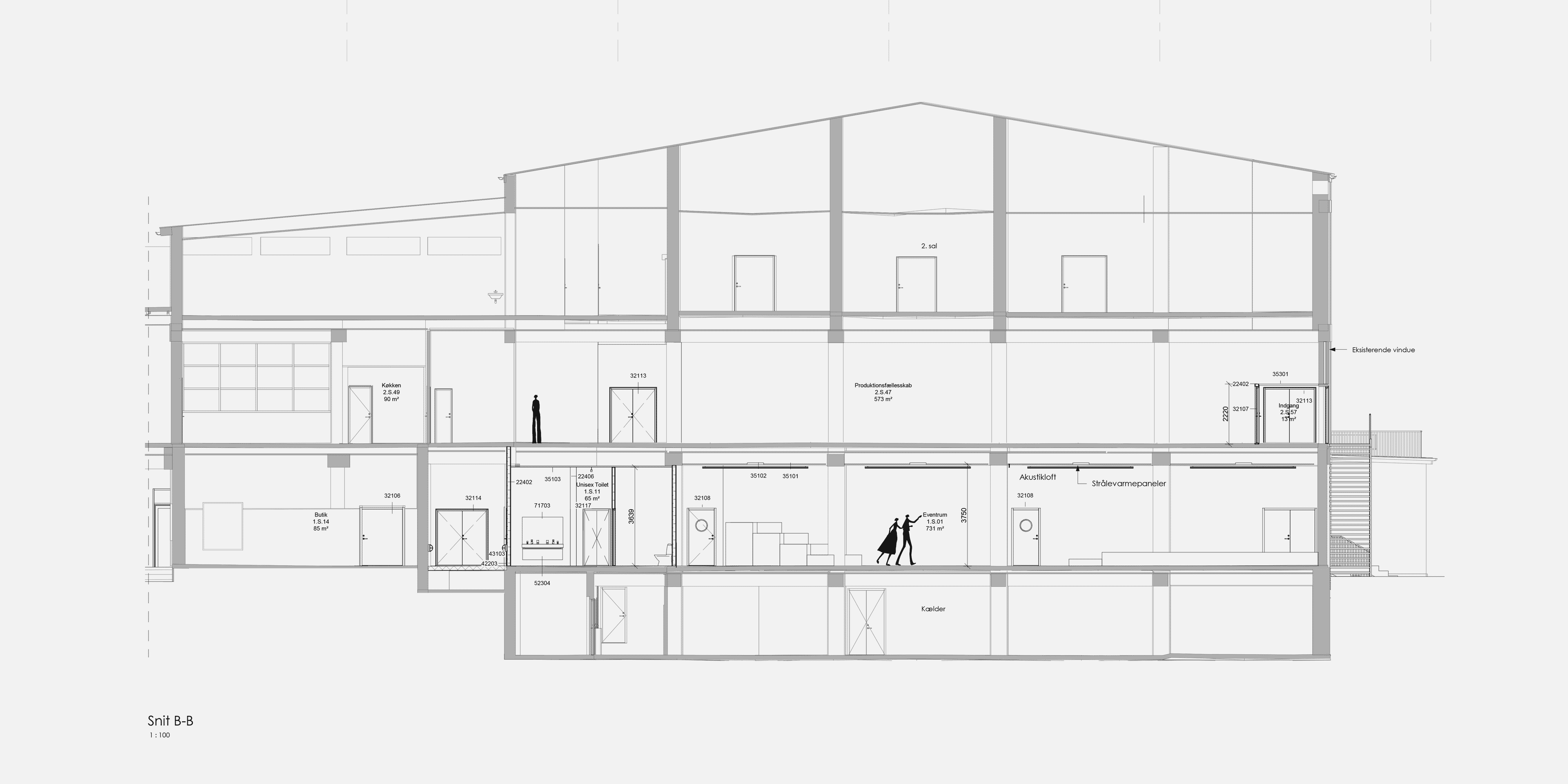
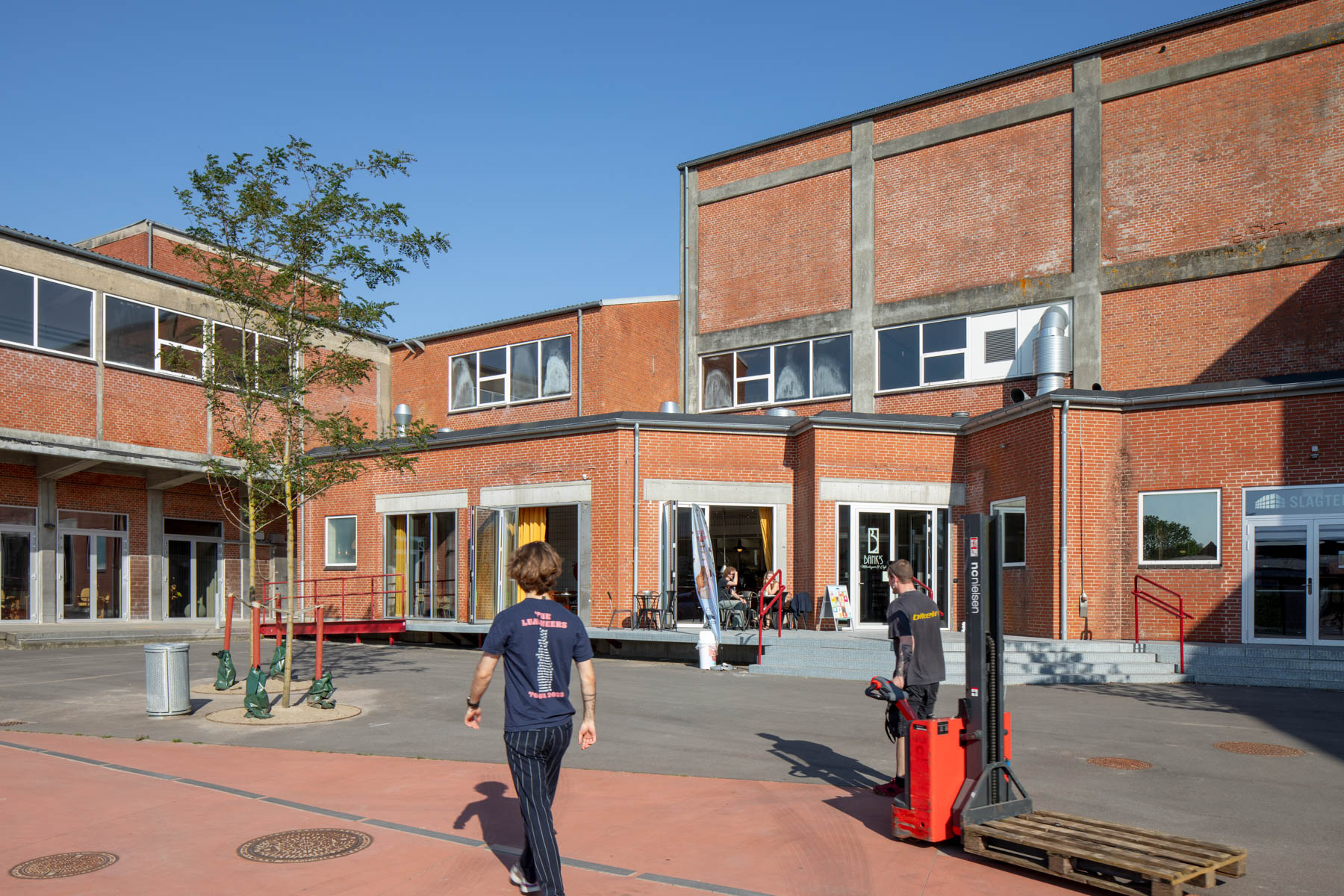
By preserving as much of the original architecture as possible, conventional demolition-based redevelopment was challenged. The buildings were left largely intact, with their raw surfaces and unique spatial characteristics seen as valuable assets rather than liabilities.
Location
Holstebro, Denmark
Area
4 900 m2
Typology
Cultural
Collaborators
BOGL
Sloth Møller
Arkitekt Knud Aarup Kappel
Wullum Pasgaard
Year
2017 – 2023
Status
Completed
Client
Holstebro Kommune
Services
Architectural consulting
Photos by
Kirstine Autzen
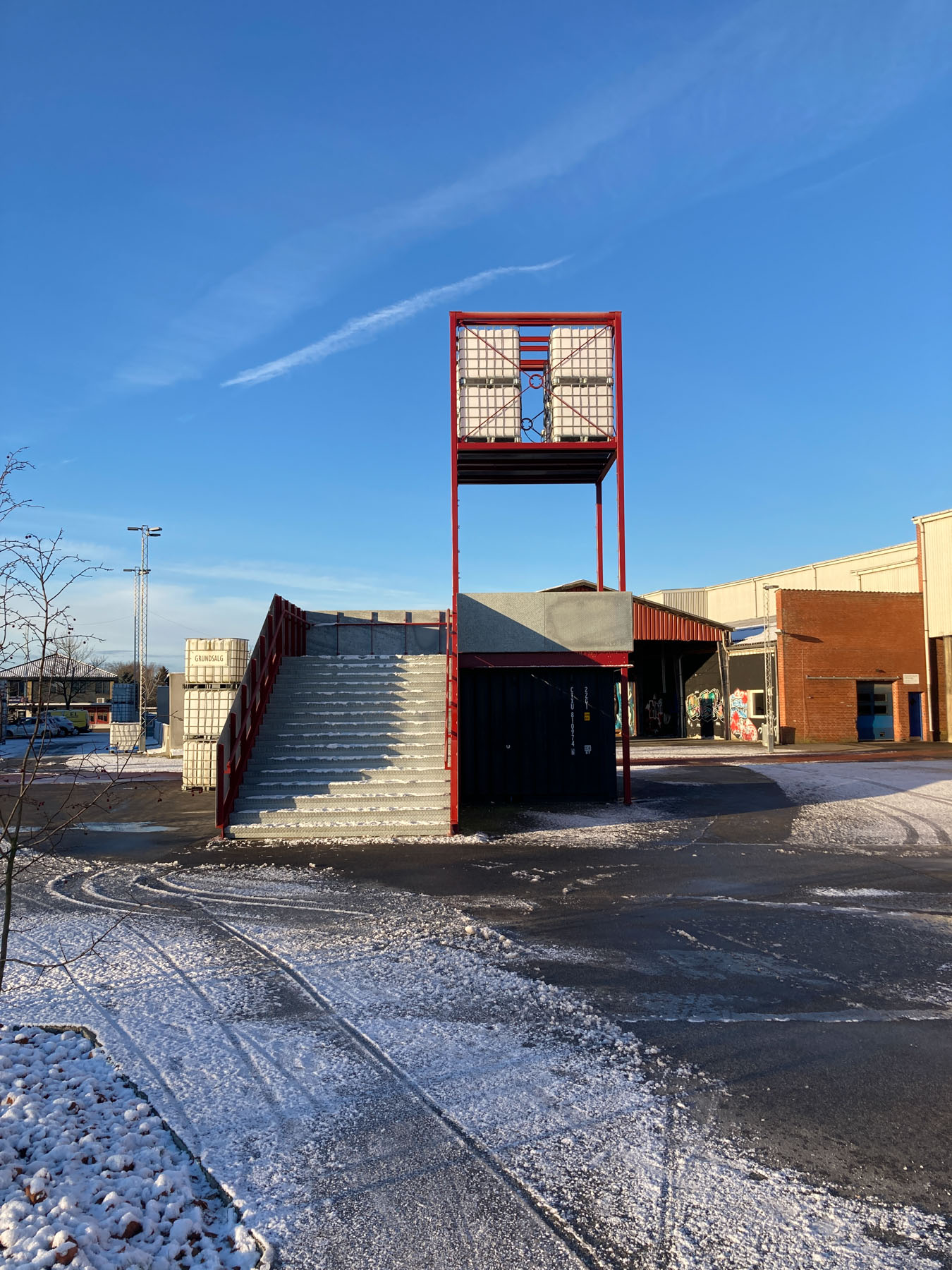
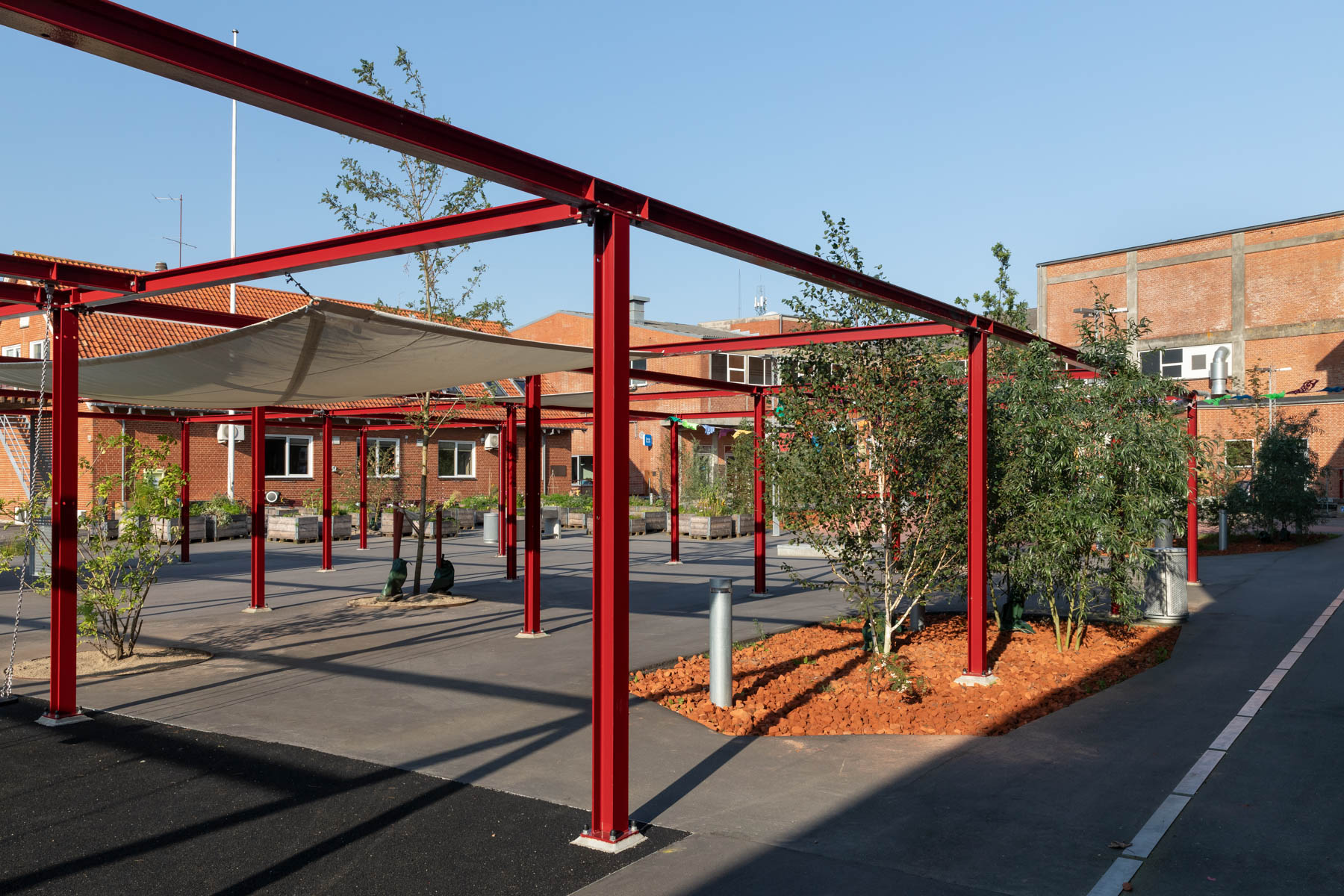
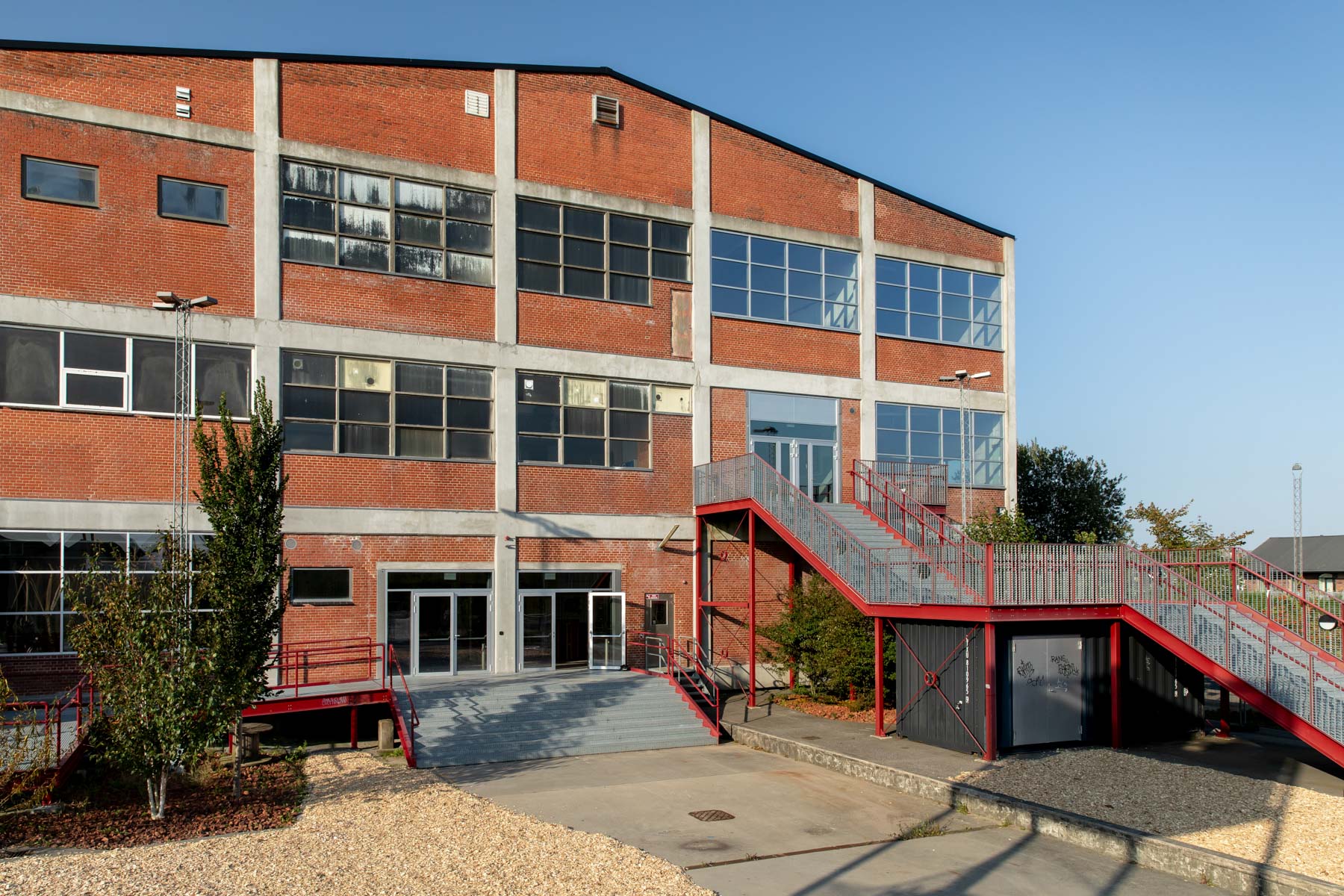
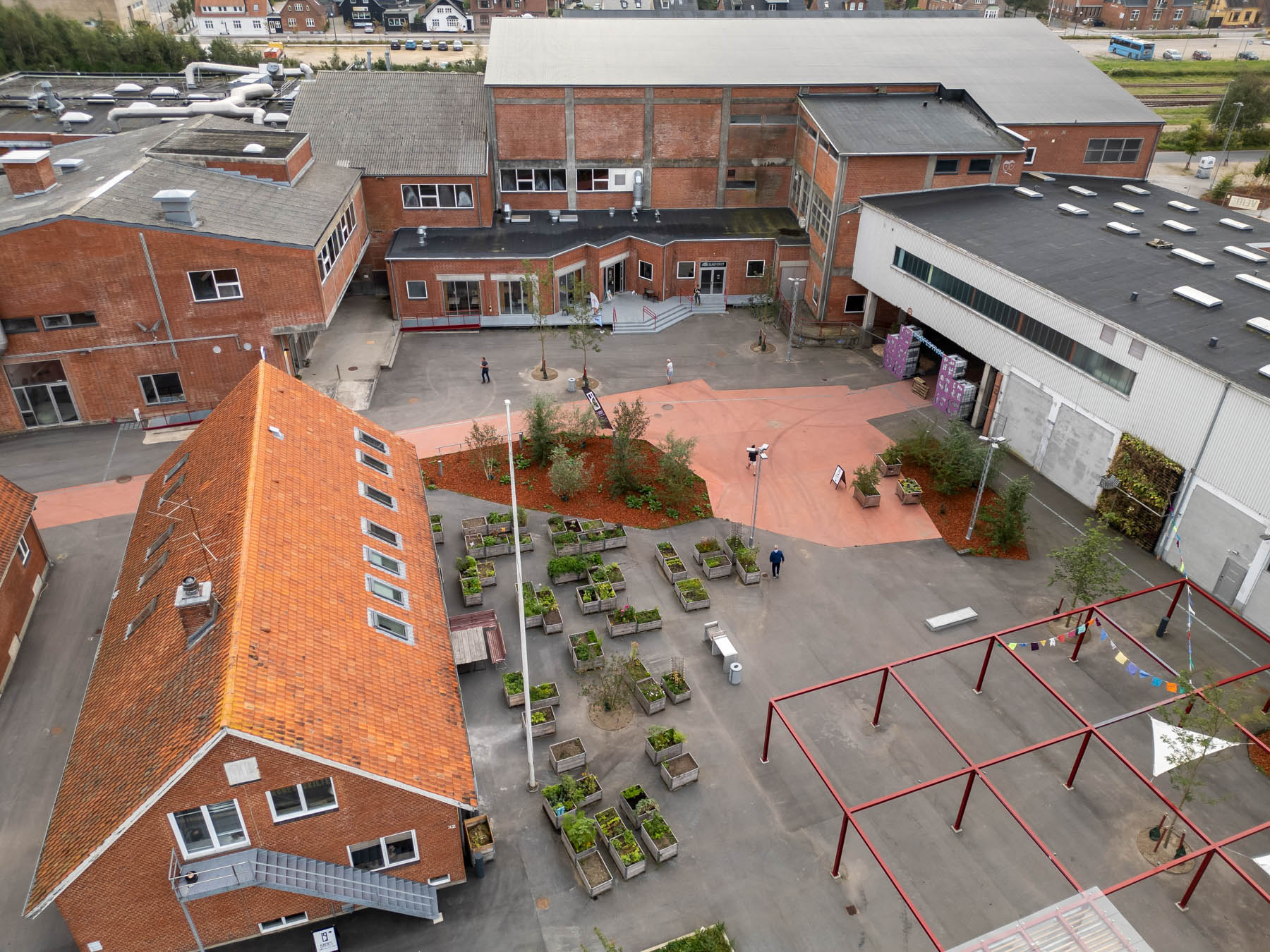
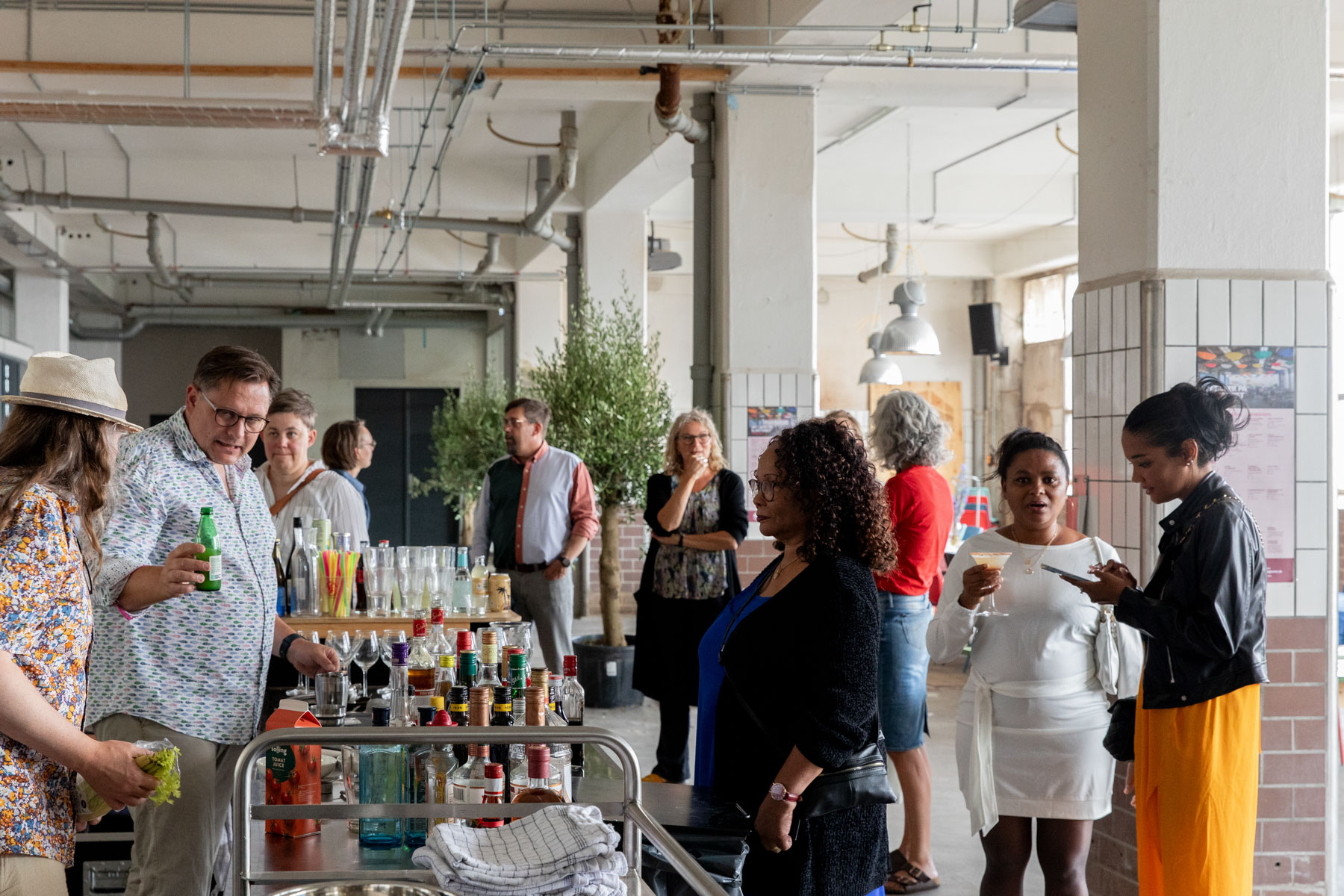
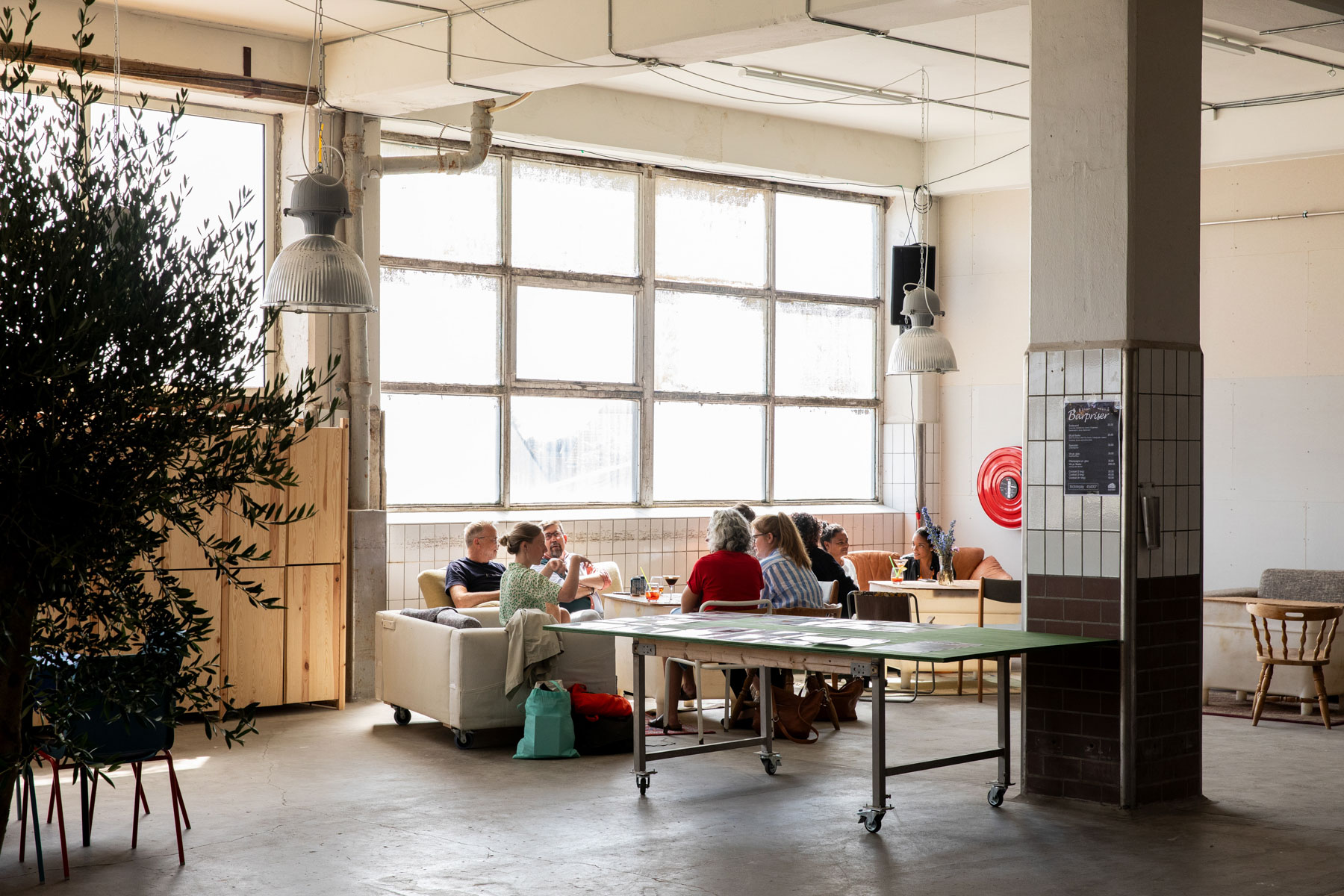
The many visible “scars” from past use, such as mounting marks for pipes, missing tiles, and aged surfaces, were intentionally retained as part of the building’s story.
Rather than discarding old materials, many existing components were repurposed. Doors and other structural elements were reused within the site, while outdated technical installations were carefully removed to avoid future conflicts.
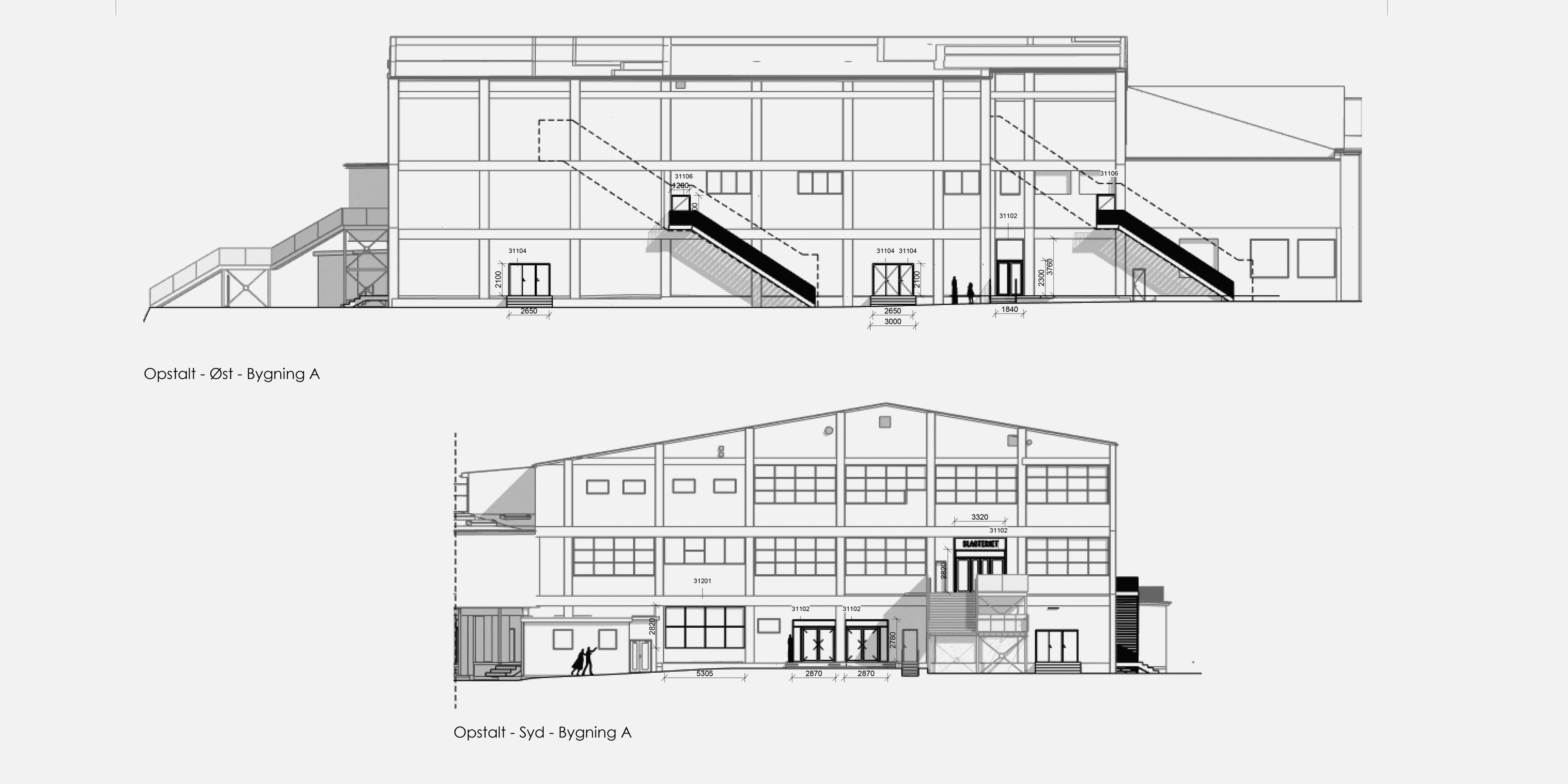
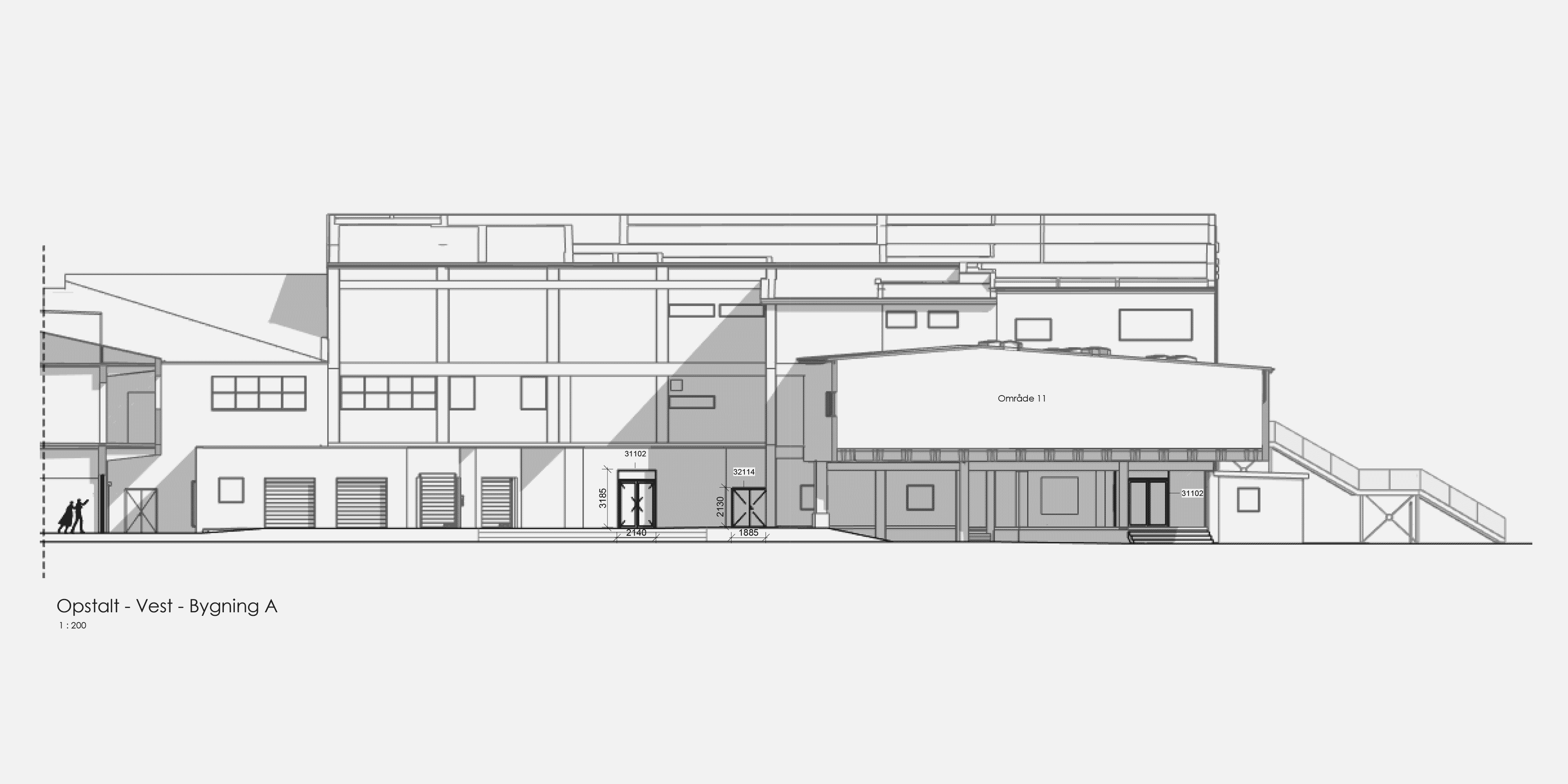
However, visually and historically distinctive elements, such as large ventilation ducts on the east and west façades, were preserved as aesthetic and historical markers.
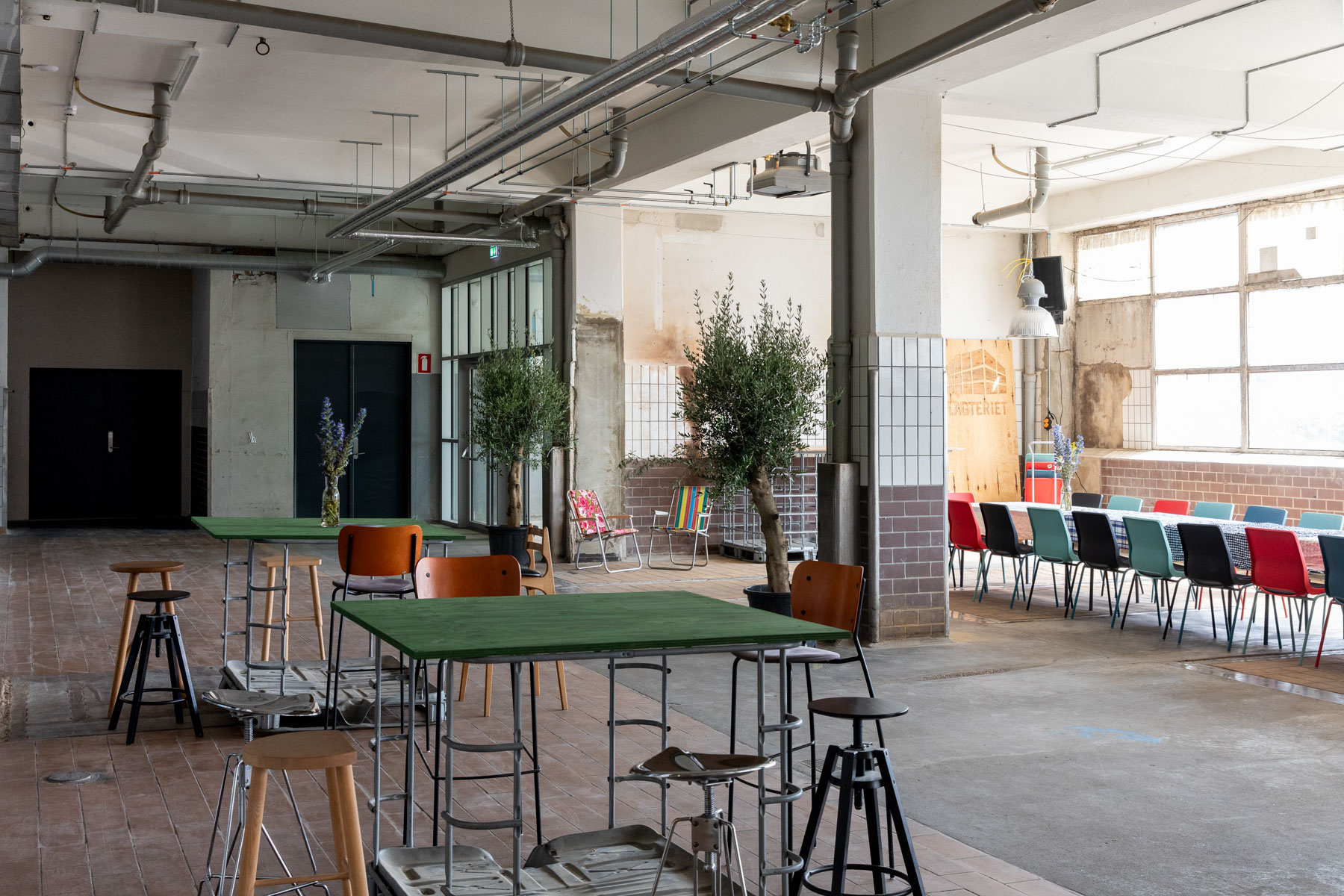
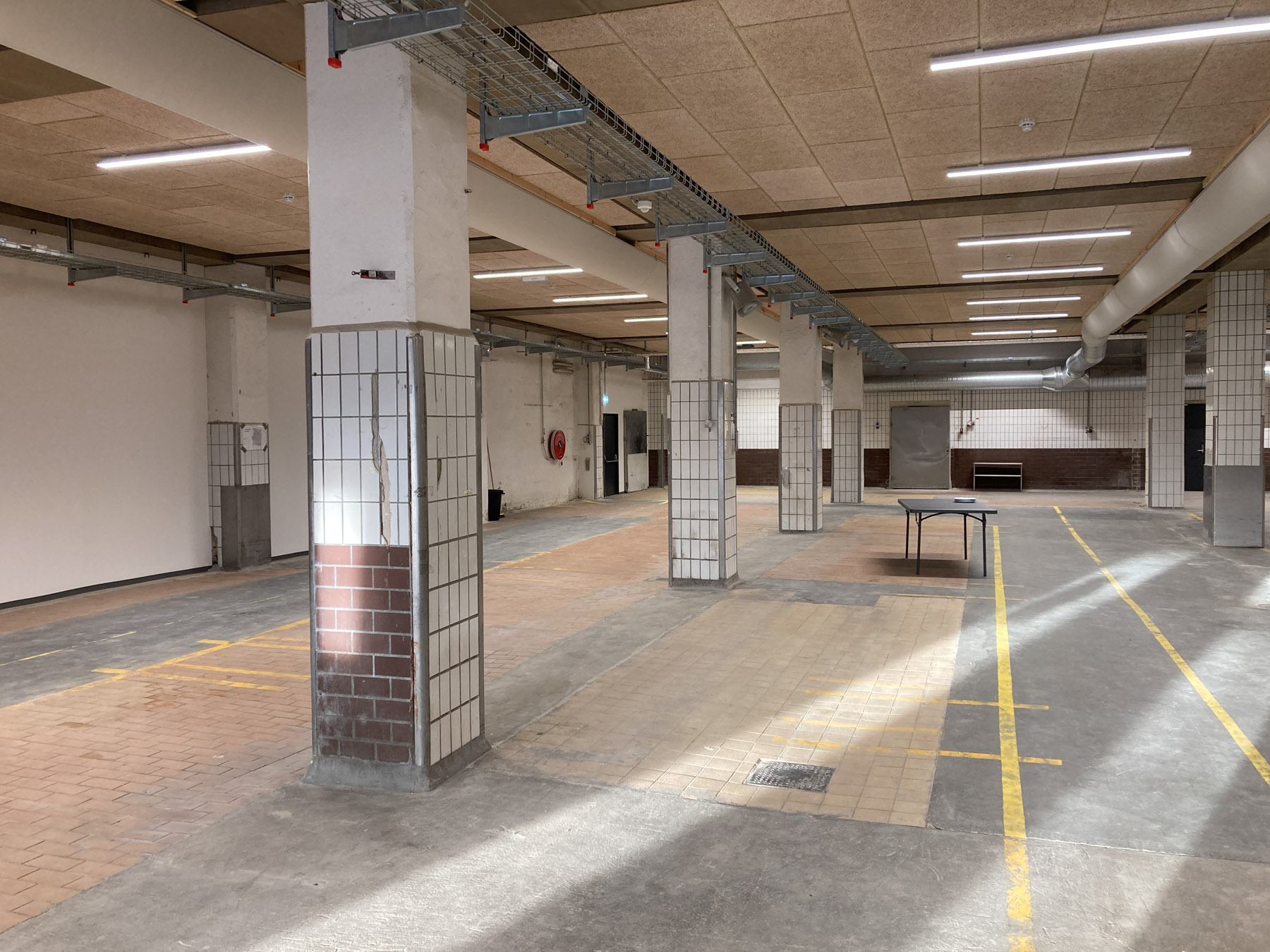
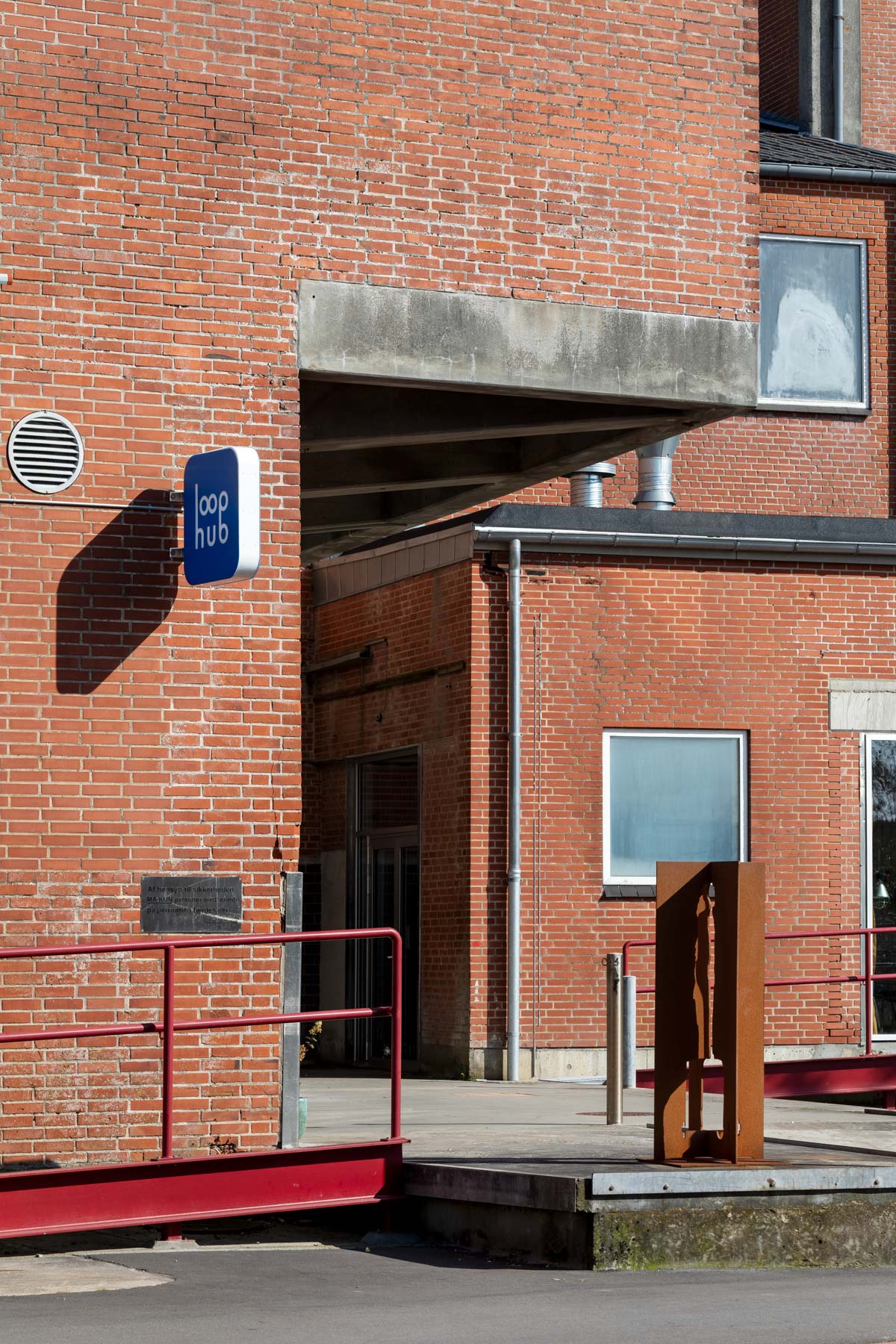
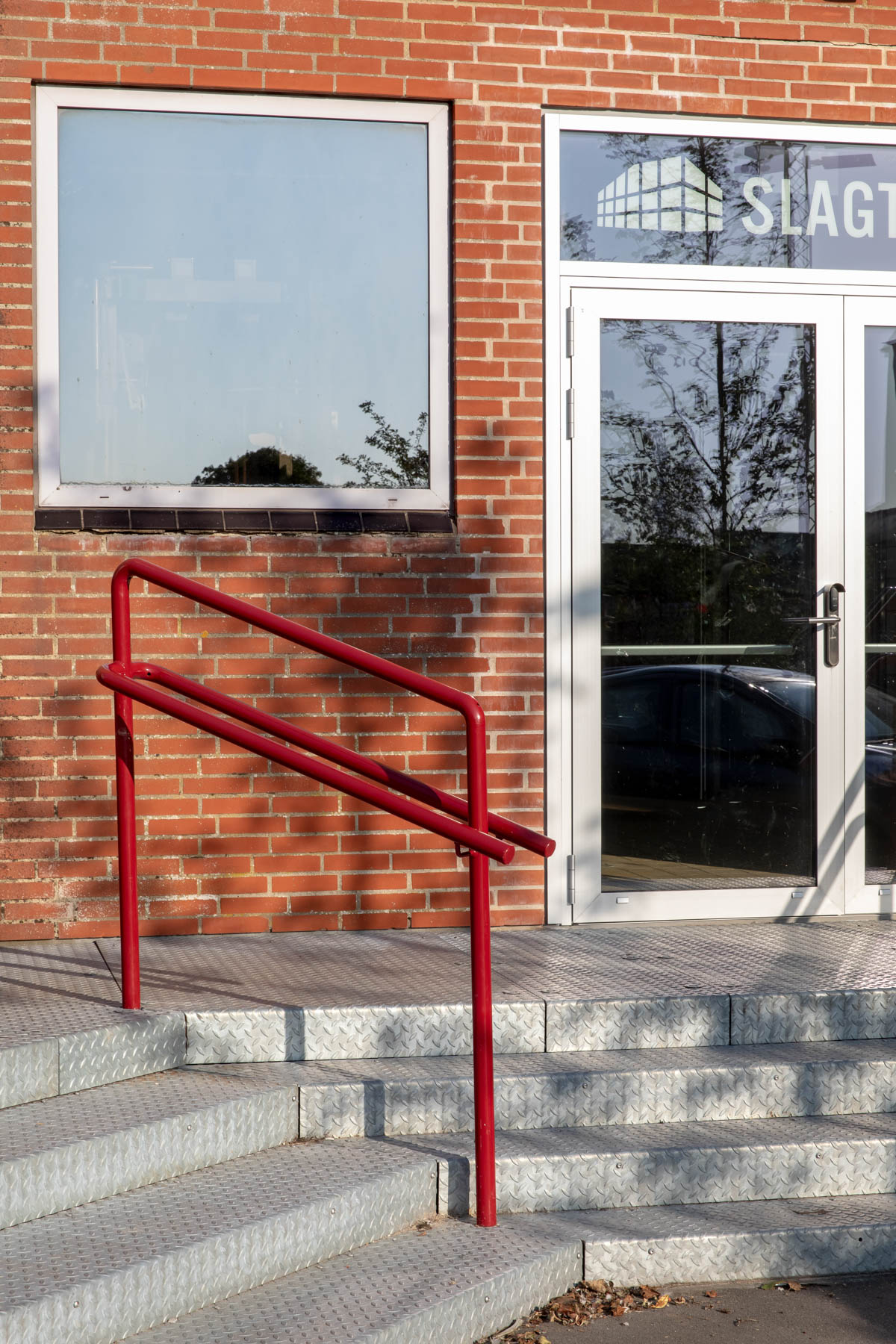
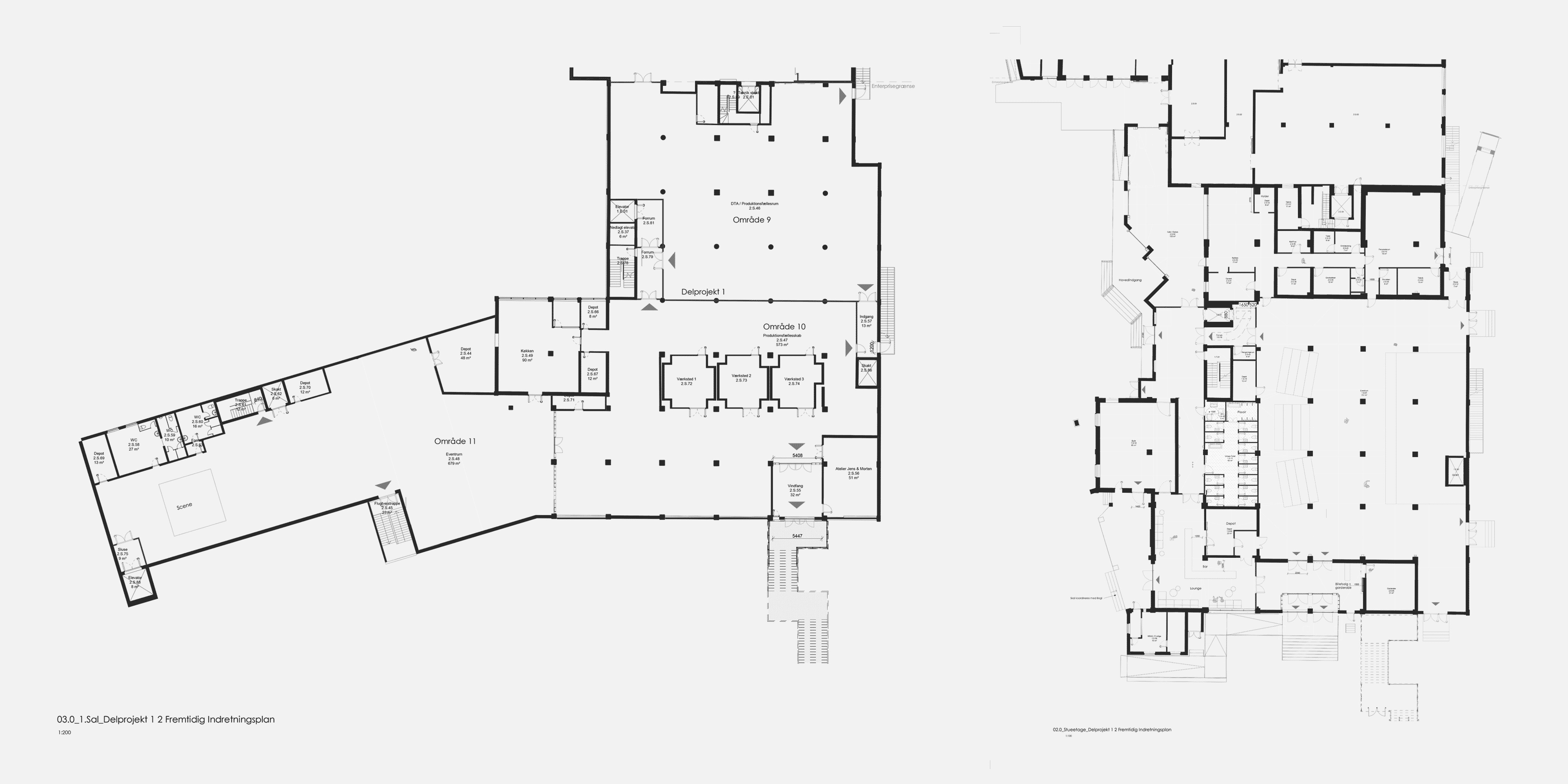
The transformation of the former slaughterhouse in Holstebro represents a shift from meat production to culture production. The site now functions as a cultural growth engine, revitalizing the area around the train station by integrating creative spaces, housing, start-ups, art production, music, and sports.
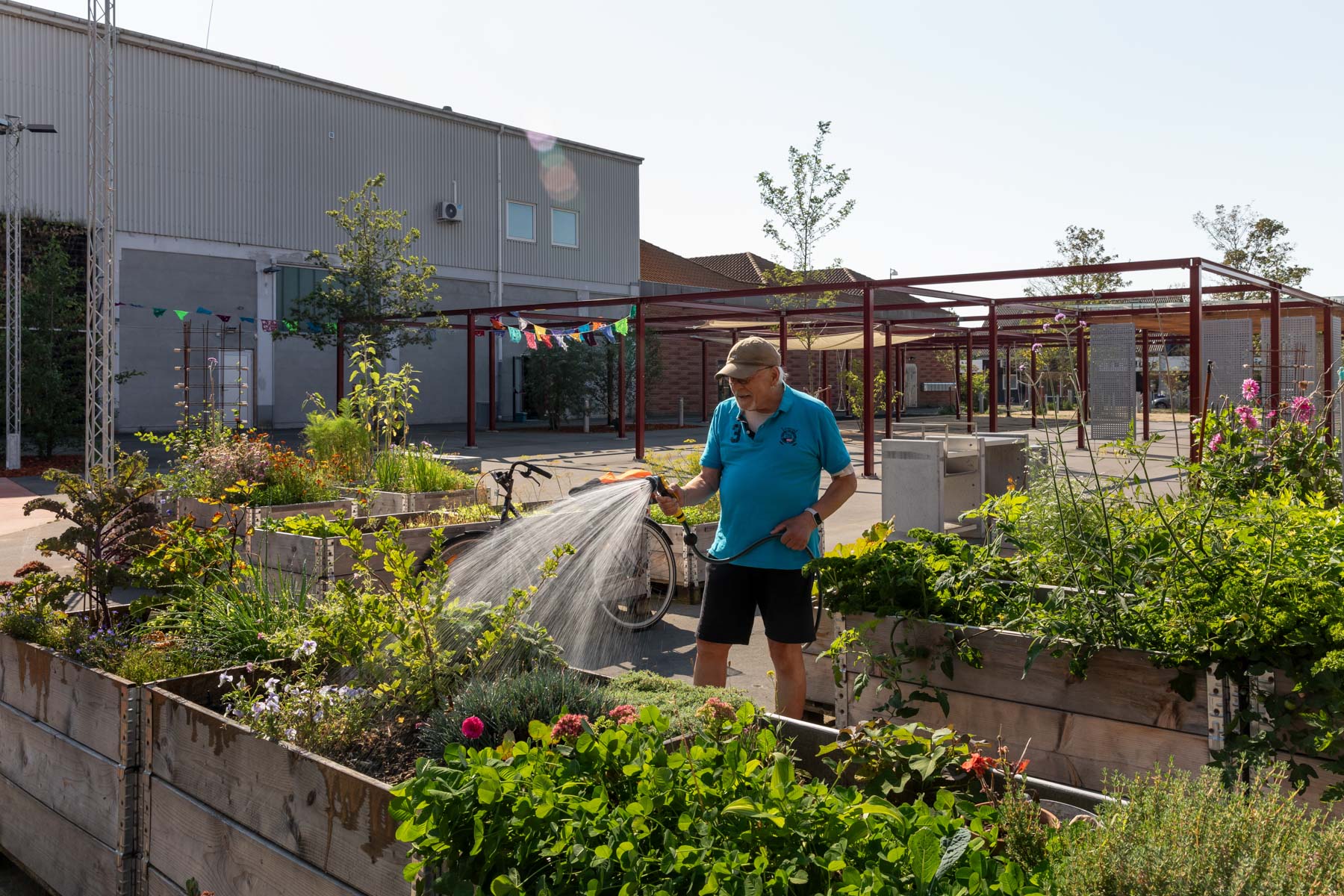
Designed to accommodate all age groups, the site now includes playgrounds, skateparks, parkour spaces, multipurpose tracks, workshops, concert venues, utility gardens, greenhouses, and communal dining areas.
Economically, the project has attracted start-ups and creative businesses, supporting local entrepreneurship and boosting economic activity in the district.
Impacts
- Significant CO2 reduction by preserving and repurposing existing buildings instead of constructing new ones.
- Circular use of materials, with existing elements like doors and structural components being reused.
- Retention of the industrial aesthetic and historical features.
- Avoidance of unnecessary demolition.
- Lower redevelopment costs through adaptive reuse of existing structures.
- Attraction of creative businesses, start-ups, and cultural enterprises to the area.
- Revitalization of the district, increasing local economic activity and foot traffic.